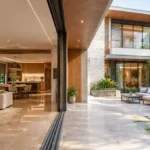
The exterior walls of a building do more than define its appearance. They help protect the structure from weather, moisture, sunlight and everyday wear. Exterior wall cladding adds another layer to the building envelope while giving architects and homeowners greater freedom to create distinctive façades.
From the traditional character of brick and natural stone to the clean appearance of metal and fiber cement, there are many types of exterior wall cladding available today. Each material has different characteristics in terms of appearance, durability, maintenance, installation and cost.
This guide explores the most common exterior wall cladding materials and explains how to choose the right option for a home or building.
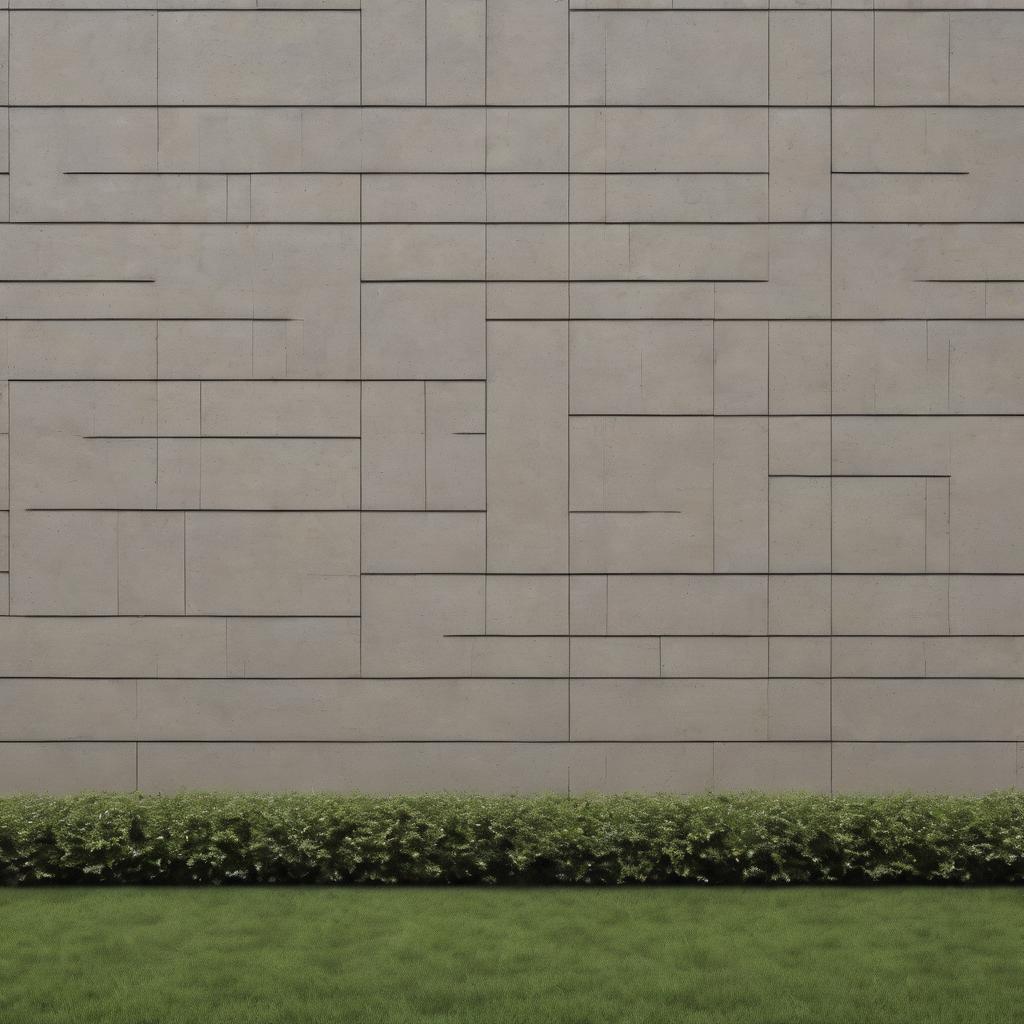
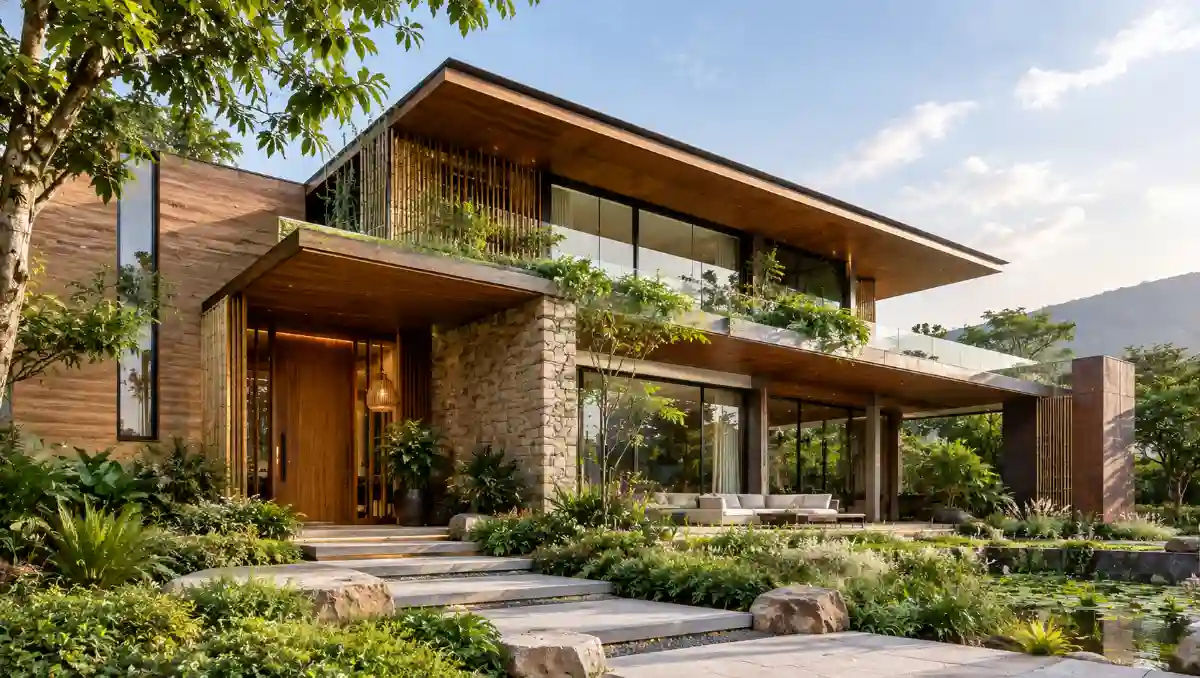
Exterior wall cladding is an important part of modern building facades, combining visual appeal with protection and functional performance.
What Is Exterior Wall Cladding?
Exterior wall cladding is a protective and decorative layer installed over the exterior walls of a building. Depending on the system, cladding can help shield the underlying wall from rain, wind, sunlight and physical damage while also improving the visual appearance of the façade.
Cladding may be installed using different fixing systems and may be made from materials such as brick, stone, wood, metal, fiber cement, vinyl, terracotta and composite products.
To understand the broader role of cladding in construction, see our guide to cladding in construction.
The performance of a cladding system depends not only on the material itself but also on proper detailing, drainage, ventilation, flashing, joints and installation.
Why Is Exterior Wall Cladding Used?
Exterior wall cladding can serve both functional and aesthetic purposes.
1. Weather Protection
A properly designed cladding system can help protect exterior walls from rain, wind and sunlight. The exact level of protection depends on the material and the wall assembly.
2. Improved Exterior Appearance
Cladding provides architects with a wide range of colors, textures, patterns and finishes. It can be used to create anything from a traditional brick façade to a contemporary metal exterior.
3. Durability
Many cladding materials are designed to withstand outdoor exposure. Brick, stone, metal and fiber cement, for example, can provide durable exterior finishes when correctly specified and installed.
4. Design Flexibility
Different materials can be combined on the same façade. A modern home might use stone at the entrance, wood-look panels on upper floors and a smooth finish on the remaining walls.
5. Maintenance Considerations
Some cladding materials require regular cleaning, sealing, painting or finishing, while others generally require less routine maintenance.
10 Types of Exterior Wall Cladding
1. Brick Cladding
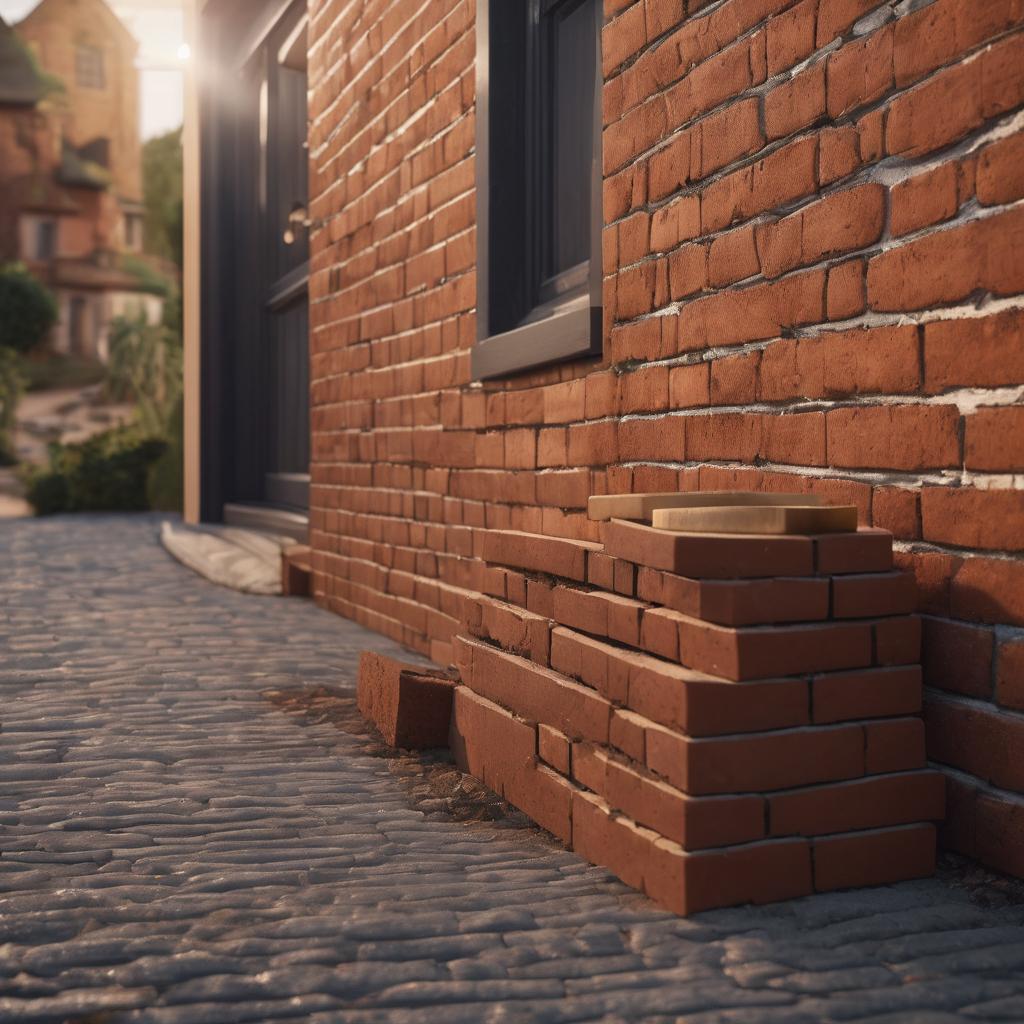
Brick is one of the most recognizable exterior cladding materials. It brings warmth, texture and a traditional architectural character to residential and commercial buildings.
Brick cladding is available in different colors, sizes, textures and laying patterns. Modern projects often use exposed brick as a feature material, while traditional homes may use it across larger portions of the façade.
Benefits of Brick Cladding
Durable exterior finish
Wide range of colors and textures
Timeless appearance
Relatively low routine maintenance
Suitable for traditional and contemporary designs
Best For
Brick cladding works particularly well for homes, feature walls and buildings where a warm, textured façade is desired.
2. Metal Cladding
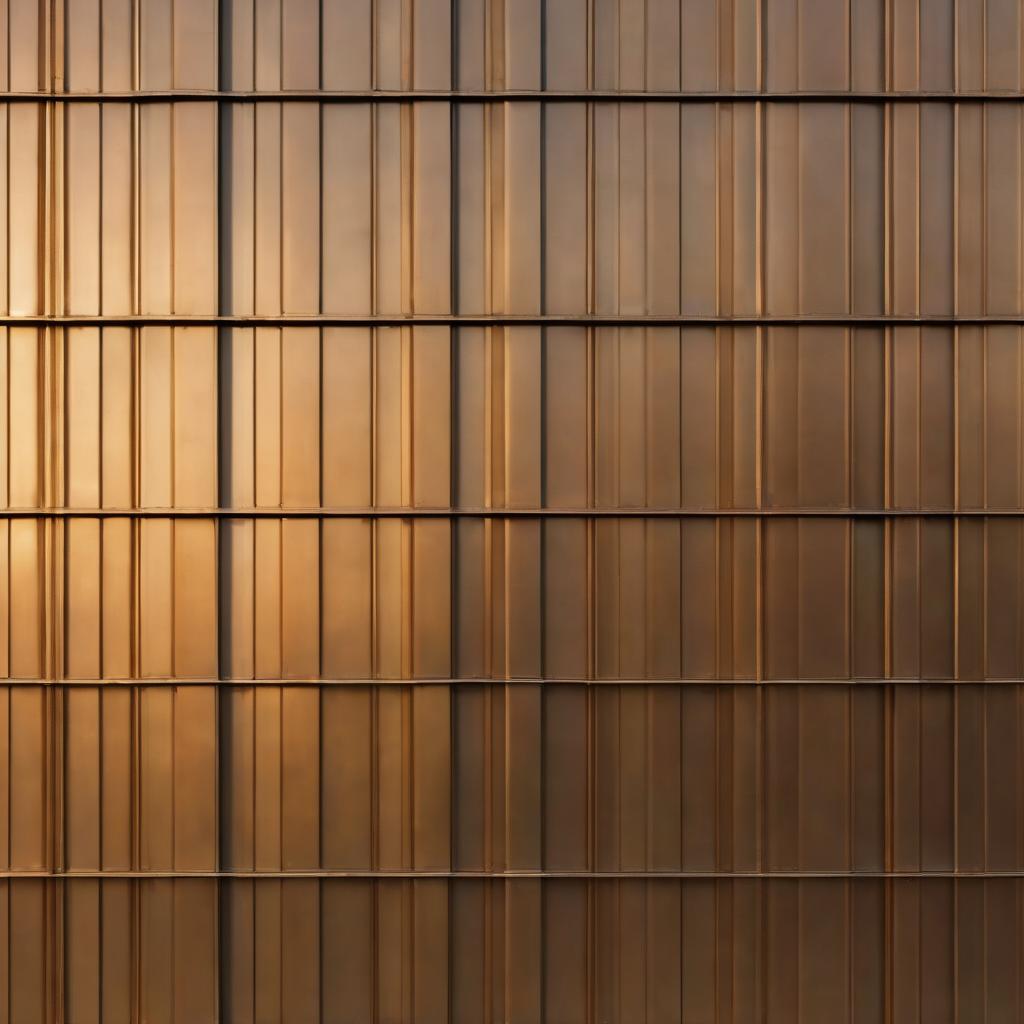
Metal cladding is widely associated with contemporary architecture. Aluminum, steel and zinc-based systems can create clean lines and a lightweight visual expression.
Metal panels are available in different profiles, finishes and colors, allowing architects to create minimalist or highly expressive façades.
Benefits of Metal Cladding
Contemporary appearance
Lightweight options available
Wide range of finishes
Suitable for complex façade designs
Can provide durable exterior performance when correctly specified
Best For
Metal cladding is commonly considered for modern homes, offices, commercial buildings and architectural feature façades.
Metal is also widely used in innovative façade systems, including kinetic facades, where movable elements can respond to sunlight and environmental conditions.
3. Wood Cladding
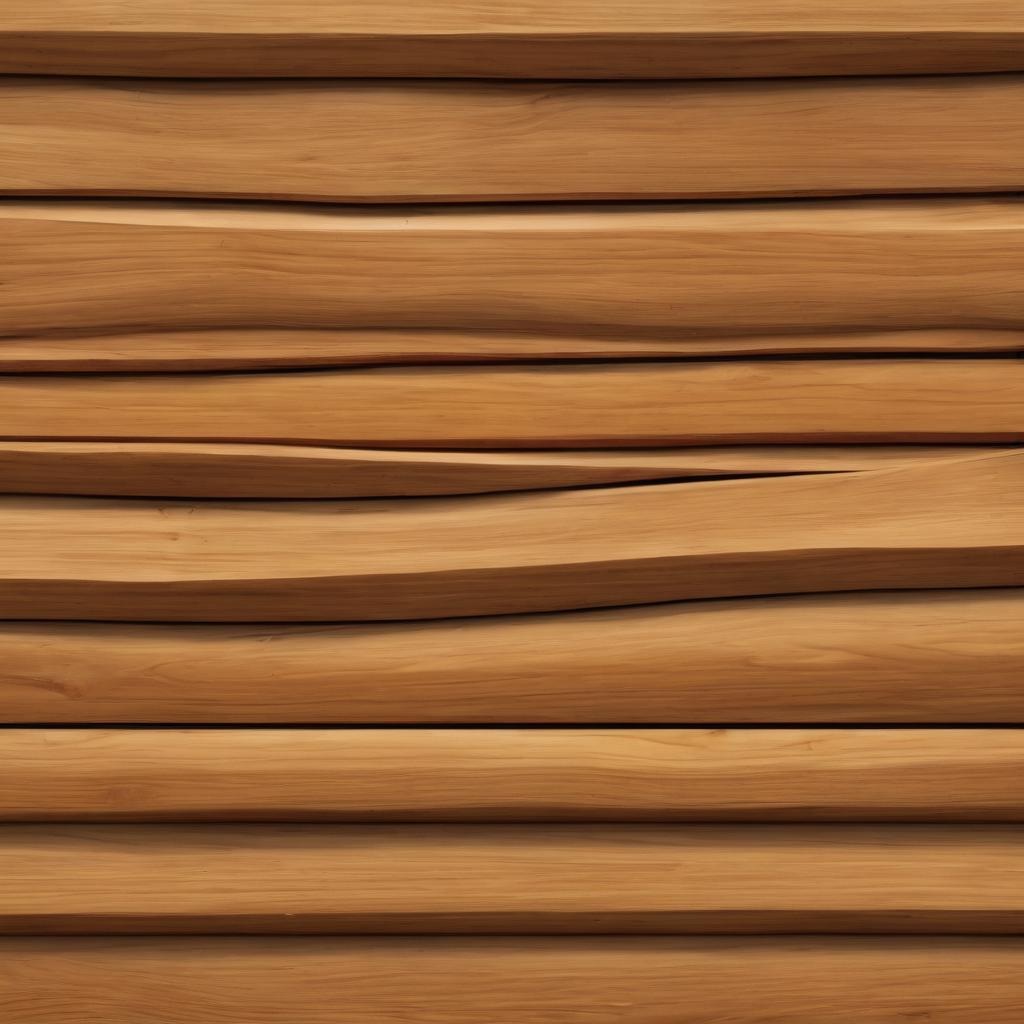
Wood cladding adds warmth and a natural character to building exteriors. Different wood species and profiles can create horizontal, vertical or patterned façades.
Because exterior wood is exposed to moisture, sunlight and changing temperatures, material selection and maintenance are particularly important.
Benefits of Wood Cladding
Natural appearance
Warm and inviting character
Works well with modern architecture
Available in different profiles and finishes
Considerations
Depending on the wood species, coating and local climate, exterior wood may require periodic cleaning, staining, sealing or refinishing.
4. Vinyl Cladding
Vinyl cladding is a lightweight exterior finish made primarily from PVC. It is available in numerous colors and profiles and is commonly associated with residential construction.
Benefits of Vinyl Cladding
Lightweight
Multiple color options
Relatively easy to maintain
Available in different profiles
Can provide a cost-conscious exterior finish
Considerations
Its suitability depends on local climate, product quality and installation requirements. It is important to select a product designed for the intended exterior application.
5. Fiber Cement Cladding
Fiber cement cladding is manufactured using cement-based material reinforced with fibers. It is available in panels, boards and other profiles and can provide a clean contemporary appearance.
Some products are designed to resemble timber, masonry or other finishes.
Benefits of Fiber Cement Cladding
Durable exterior finish
Available in different textures and profiles
Low-maintenance options
Suitable for contemporary designs
Can provide a wood-look appearance without using natural timber
Best For
Fiber cement can be used on residential façades, extensions and contemporary commercial buildings.
6. Natural Stone Cladding
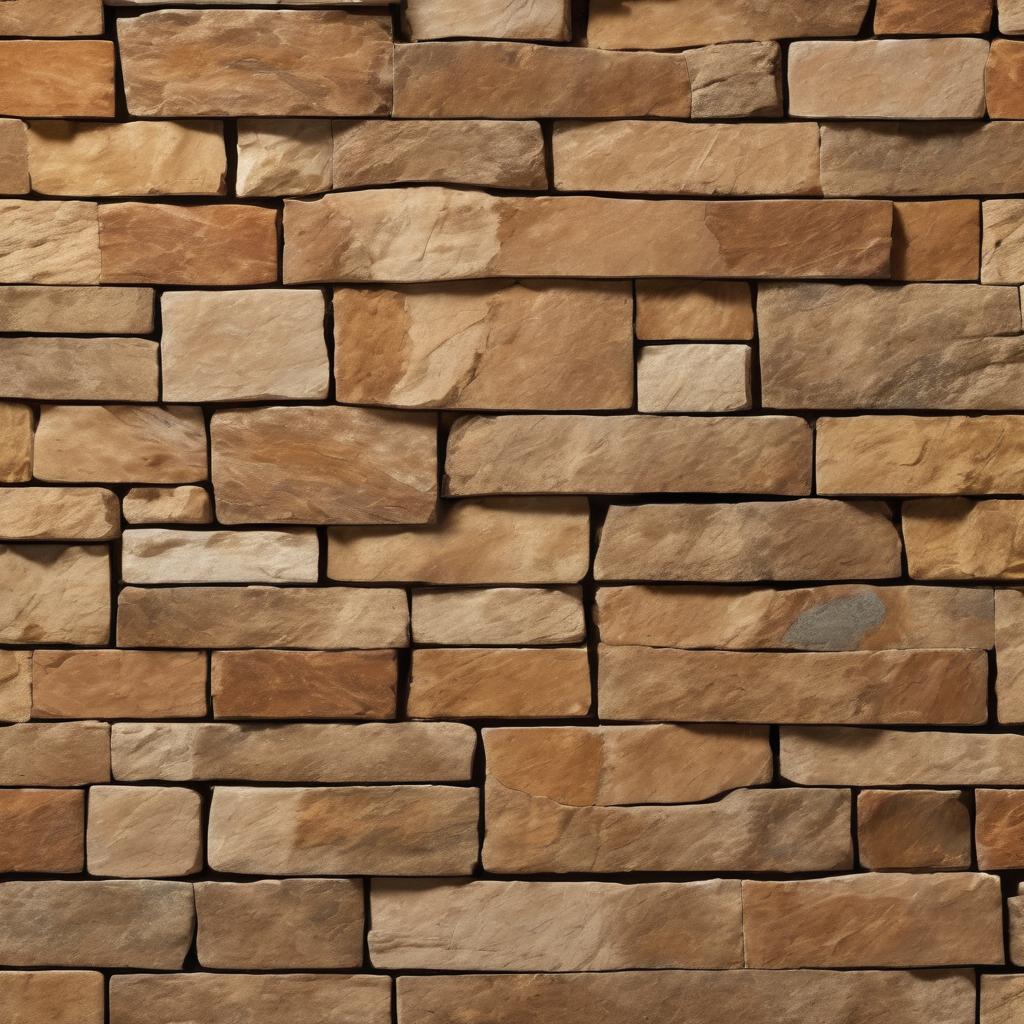
Natural stone creates a strong and premium appearance. Common options include sandstone, limestone, granite and slate, depending on the application and region.
Stone can be used across an entire façade or selectively around entrances, boundary walls and feature areas.
Stone is also used extensively in contemporary institutional architecture. For example, Vallabh Bhawan in Bhopal incorporates sandstone, jaalis and stone fins into its façade design.
Benefits of Stone Cladding
Natural appearance
Strong visual character
High durability when properly selected and installed
Available in different colors and textures
Suitable for premium residential and commercial projects
Best For
Natural stone is often used for luxury homes, institutional buildings, landscape walls and architectural feature façades.
7. Stucco Cladding
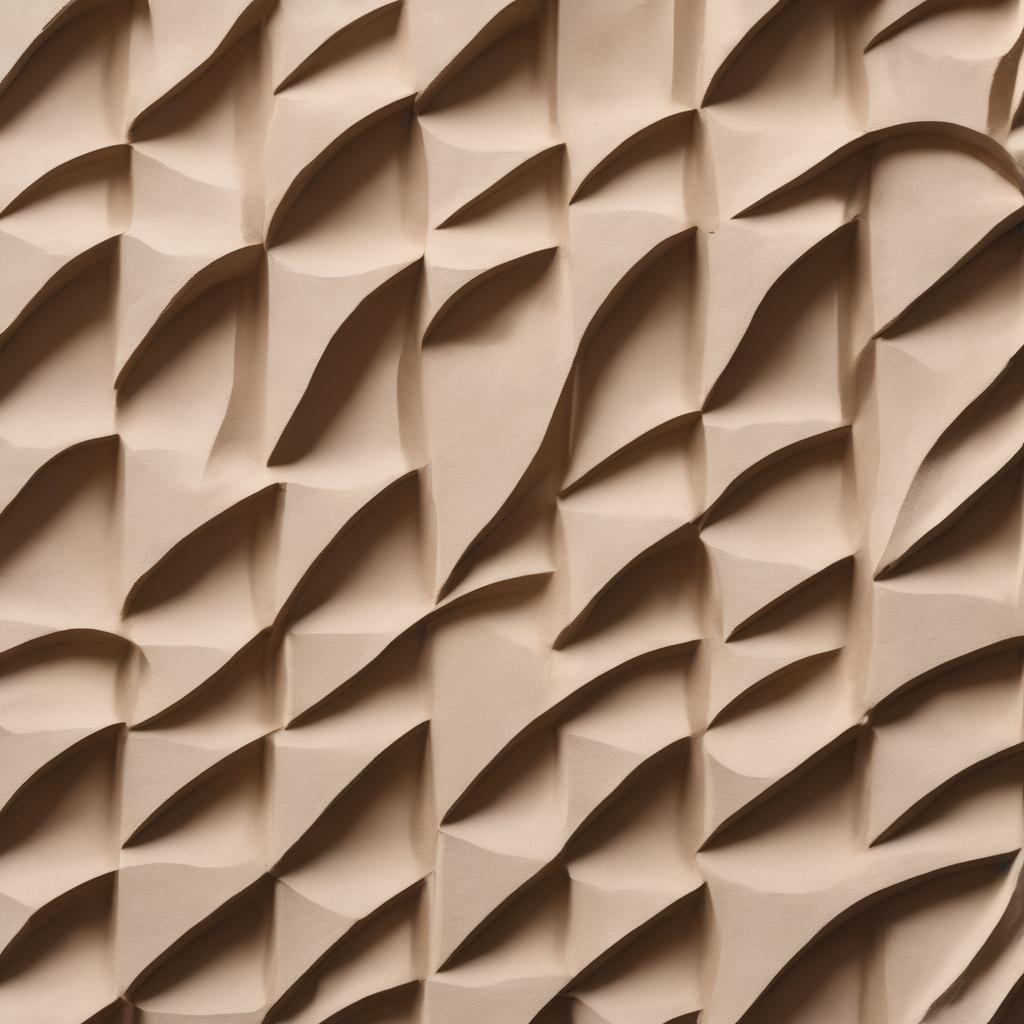
Stucco provides a continuous rendered exterior appearance and can be finished with different textures and colors.
It is particularly useful when designers want large, visually simple wall surfaces without pronounced panel joints.
Benefits of Stucco
Smooth or textured finishes
Wide range of colors
Suitable for several architectural styles
Can create a seamless visual appearance
Considerations
Proper substrate preparation, detailing and moisture management are essential for long-term performance.
8. Stone Veneer Cladding
Stone veneer provides the visual character of stone while using a thinner veneer system than traditional solid stone construction.
It can be made from natural stone or manufactured materials, depending on the product.
Benefits of Stone Veneer
Strong architectural appearance
Lighter than many full-depth stone applications
Available in different colors and textures
Useful for feature areas
Best For
Stone veneer is commonly used around entrances, living-room exteriors, boundary walls and selected façade sections.
9. Terracotta Cladding
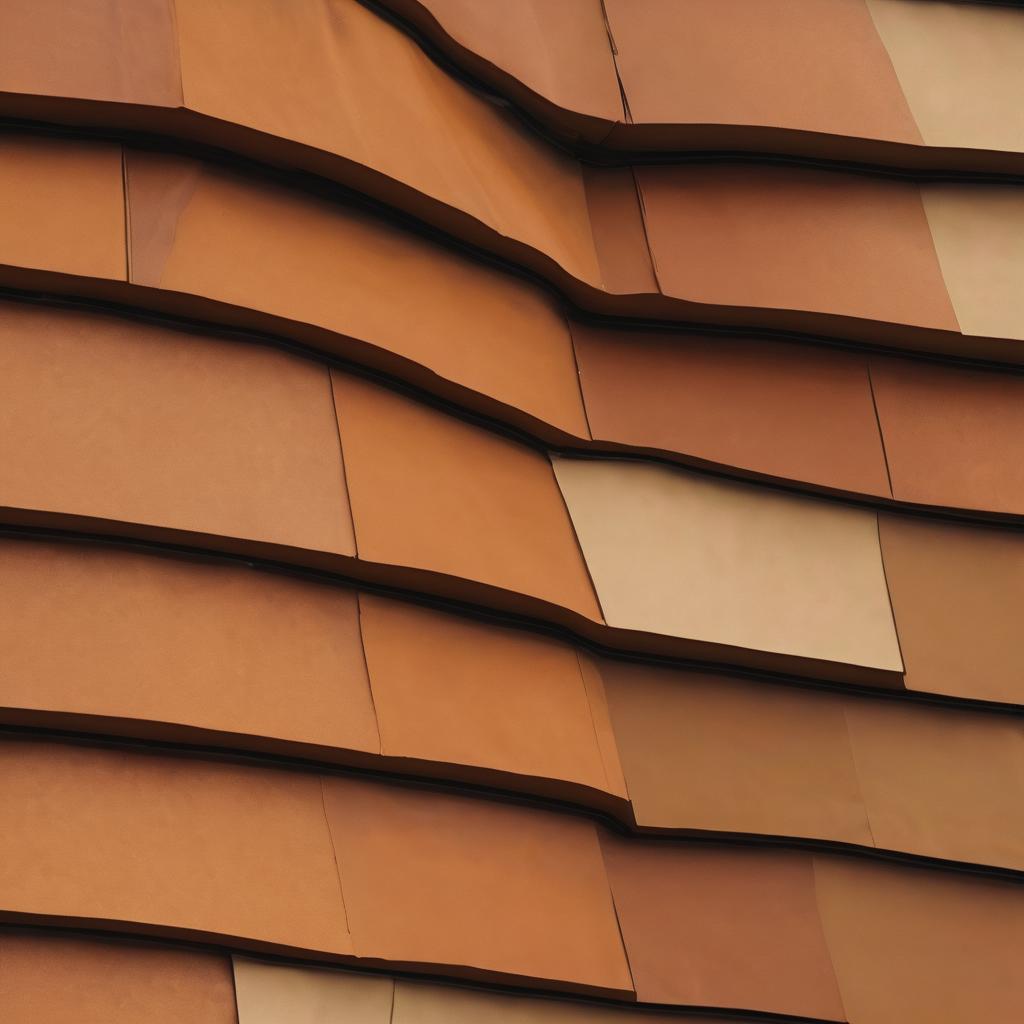
Terracotta is a ceramic-based material that can add a distinctive earthy appearance to a façade. Terracotta panels, tiles and baguettes can be arranged in different patterns.
It can also be used as part of ventilated façade systems and solar-shading strategies, depending on the system design.
Benefits of Terracotta Cladding
Natural earthy appearance
Strong architectural identity
Available in different shapes and finishes
Can be used for decorative and functional façade elements
Best For
Terracotta is suitable for contemporary buildings, institutional projects and façades where material texture is an important design feature.
10. HPL and Composite Cladding
High-pressure laminate (HPL) and other composite panels provide architects with lightweight façade options in a wide range of colors, patterns and textures.
These systems can be used to create clean contemporary façades and may imitate materials such as timber or stone.
Benefits
Wide design selection
Contemporary appearance
Lightweight panel options
Suitable for feature façades
Can be combined with other exterior materials
Always check the manufacturer’s technical specifications, fire performance, weather resistance and installation requirements before selecting a composite façade product.
Exterior Wall Cladding Materials Comparison
Cladding Material
Appearance
Maintenance
Typical Use
Brick
Warm and traditional
Low–Medium
Homes and feature façades
Natural Stone
Premium and natural
Low–Medium
Luxury homes and feature walls
Metal
Modern and sleek
Low–Medium
Contemporary buildings
Wood
Warm and natural
Medium–High
Modern and natural-style homes
Fiber Cement
Modern and versatile
Low–Medium
Residential façades
Vinyl
Simple and versatile
Low
Residential applications
Stone Veneer
Natural stone appearance
Low–Medium
Feature walls and entrances
Stucco
Smooth or textured
Medium
Residential façades
Terracotta
Earthy and architectural
Low–Medium
Contemporary façades
HPL/Composite
Modern and customizable
Low–Medium
Modern façades
Actual maintenance and performance vary according to the specific product, climate, installation system and manufacturer’s recommendations.
How to Choose the Right Exterior Wall Cladding
Choosing a cladding material should be based on more than appearance. Consider the following factors before making a decision.
1. Climate
Consider local temperature, rainfall, humidity, sunlight, wind and seasonal changes. A material suitable for one climate may require different detailing or maintenance in another.
2. Durability
Look at expected service conditions and exposure. Ask how the material performs against moisture, UV exposure, temperature changes and physical impact.
3. Maintenance
Consider how often the façade will need cleaning, coating, sealing, painting or replacement of damaged components.
4. Architectural Style
Choose a material that complements the building’s overall architectural language. Brick and stone can create a traditional character, while metal and composite panels can support a more contemporary aesthetic.
5. Installation System
The fixing method, joints, drainage, ventilation and wall assembly are important parts of cladding performance. A high-quality material cannot compensate for poor installation or inadequate detailing.
6. Budget
Compare the complete installed cost rather than only the material price. Include substructure, fasteners, labor, transportation, finishing and long-term maintenance.
7. Local Availability
Materials that are readily available locally may offer practical advantages in terms of transportation, replacement and maintenance.
Exterior Wall Cladding for Modern Homes
Modern homes often combine two or more exterior materials rather than relying on a single cladding type.
For example, a façade may combine:
Natural stone with smooth plaster
Wood-look panels with metal
Brick with large glass openings
Fiber cement with timber
Terracotta with concrete
Metal panels with stone
Combining materials can add depth and visual contrast while helping define different areas of the building.
The key is to maintain a consistent relationship between colors, textures, proportions and architectural details.
Exterior Wall Cladding in India
For homes and buildings in India, climate and maintenance should be considered carefully when selecting exterior cladding.
Hot summers, monsoon rainfall, humidity, dust and strong sunlight can affect exterior materials differently depending on the location.
When selecting cladding for an Indian home, consider:
Rainwater management
Solar exposure
Local humidity
Cleaning requirements
Availability of replacement materials
Installation quality
Long-term maintenance
Compatibility with the building structure
The right choice will depend on the specific site, building design and product specification rather than one universally “best” material.
Advantages of Exterior Wall Cladding
Exterior wall cladding can provide several benefits when properly designed and installed.
Improves façade appearance
Provides additional protection to exterior wall surfaces
Offers extensive design flexibility
Allows different textures and materials
Can improve the visual identity of a building
Some systems can contribute to thermal and moisture-management strategies
Makes it possible to renovate the appearance of an existing building
Disadvantages and Limitations
Cladding also has limitations that should be considered before installation.
Initial installation costs can vary considerably
Some materials require regular maintenance
Incorrect installation can lead to moisture problems
Certain materials may be vulnerable to impact or weather exposure
Replacement can be difficult if discontinued products are used
Structural and fire-safety requirements vary by material and system
For large or technically complex façades, professional design and installation are important.
Exterior Wall Cladding Maintenance Tips
Proper maintenance can help extend the life and appearance of a façade.
Clean the Surface Regularly
Remove accumulated dust, dirt and organic growth using cleaning methods appropriate for the material.
Check Joints and Connections
Inspect visible joints, sealants, fixings and transitions for signs of deterioration.
Look for Moisture Problems
Water staining, damp patches or unexpected deterioration may indicate problems with drainage or weatherproofing.
Follow Manufacturer Guidelines
Cleaning products, coatings and repair methods should be compatible with the specific cladding material.
Frequently Asked Questions
What are the main types of exterior wall cladding?
Common types include brick, natural stone, metal, wood, fiber cement, vinyl, stone veneer, stucco, terracotta and HPL or composite panels.
What is the best exterior wall cladding?
There is no single best cladding material for every building. The appropriate choice depends on climate, budget, architectural style, maintenance requirements, durability and installation conditions.
Which exterior cladding requires the least maintenance?
Some metal, fiber cement and other engineered cladding systems can offer relatively low maintenance, but actual requirements depend on the specific product, finish and environmental exposure.
Is exterior wall cladding waterproof?
Cladding itself should not automatically be considered a waterproof barrier. Building envelopes typically rely on properly designed layers, drainage and weather-resistant detailing to manage water.
Is exterior wall cladding suitable for Indian homes?
Yes, many types of cladding can be used for Indian homes. However, material selection should consider the local climate, rainfall, solar exposure, maintenance and installation quality.
Does wall cladding protect exterior walls?
A properly designed cladding system can help protect wall assemblies from weather exposure and physical wear. Its actual performance depends on the complete wall and façade system.
Can different cladding materials be combined?
Yes. Combining materials such as stone, brick, wood-look panels, metal or fiber cement is common in contemporary façade design.
How long does exterior wall cladding last?
The service life varies significantly by material, product quality, installation, climate and maintenance. Always refer to the manufacturer’s technical documentation for product-specific expectations.
Final Thoughts
Exterior wall cladding is both a design element and an important part of a building’s exterior envelope. The right material can transform the appearance of a home while providing an additional layer of protection and helping create a distinctive architectural identity.
From brick and natural stone to metal, wood, fiber cement, terracotta and composite panels, each cladding type has its own strengths and considerations.
Instead of choosing a material only because it looks attractive, consider the complete picture: climate, durability, maintenance, installation, budget and architectural design.
With the right material and proper detailing, exterior wall cladding can help create a façade that is attractive, practical and suited to the building’s environment.