The construction industry is increasingly looking for ways to reduce environmental impact without compromising durability, comfort, safety, or design. One important part of this shift is the use of eco-friendly building materials.
From recycled steel and reclaimed wood to bamboo, rammed earth, recycled glass, and low-carbon concrete alternatives, sustainable materials can help reduce waste and make buildings more environmentally responsible.
Choosing the right material, however, is not simply about selecting something labeled “green.” Its durability, manufacturing process, transportation, maintenance requirements, recyclability, and suitability for the local climate all matter.
What Are Eco-Friendly Building Materials?
Eco-friendly building materials are materials selected or manufactured with the goal of reducing environmental impact during one or more stages of their life cycle.
Depending on the material, environmental benefits can include:
- Lower use of virgin resources
- Reduced construction waste
- Recycled or reclaimed content
- Lower embodied carbon
- Longer service life
- Improved energy performance
- Local availability
- Recyclability or reuse
- Reduced environmental impact during manufacturing
A sustainable material is therefore not necessarily the newest or most expensive option. In many cases, using a durable local material efficiently can be a more practical choice.
1. Bamboo
Bamboo is one of the best-known renewable materials used in sustainable construction.
It grows rapidly compared with many traditional timber species and can be used for flooring, screens, furniture, structural applications, wall elements, and decorative features.
However, bamboo needs appropriate treatment and detailing to perform reliably, particularly in areas exposed to moisture, insects, or changing weather conditions.
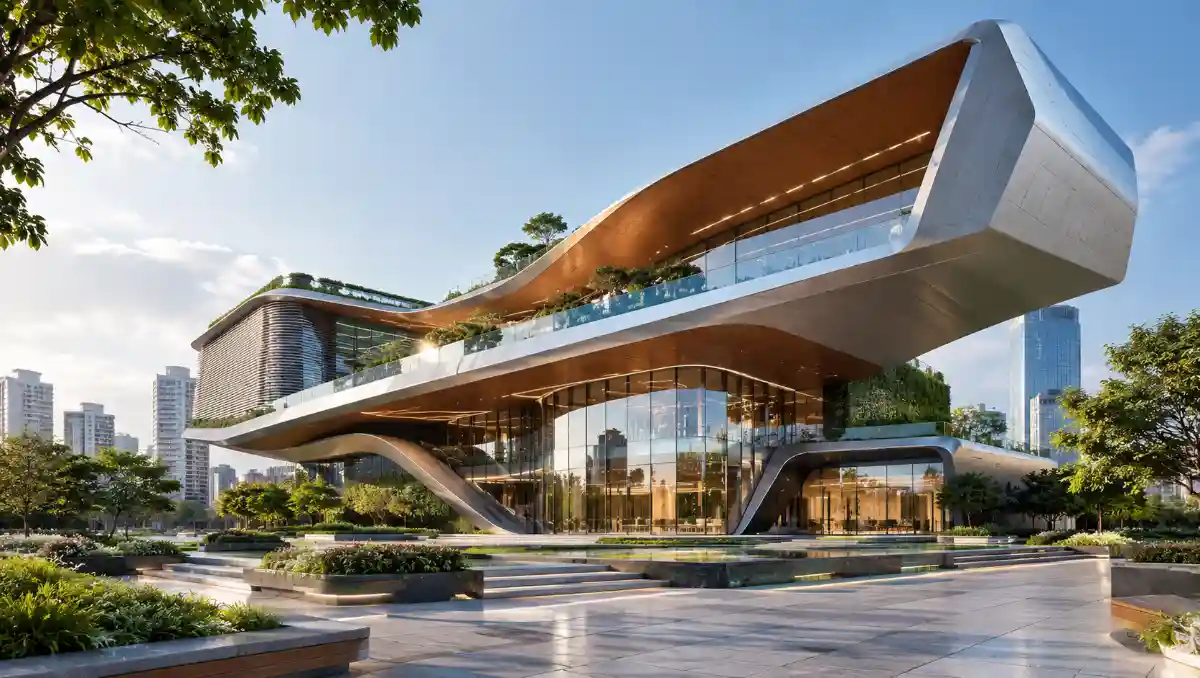
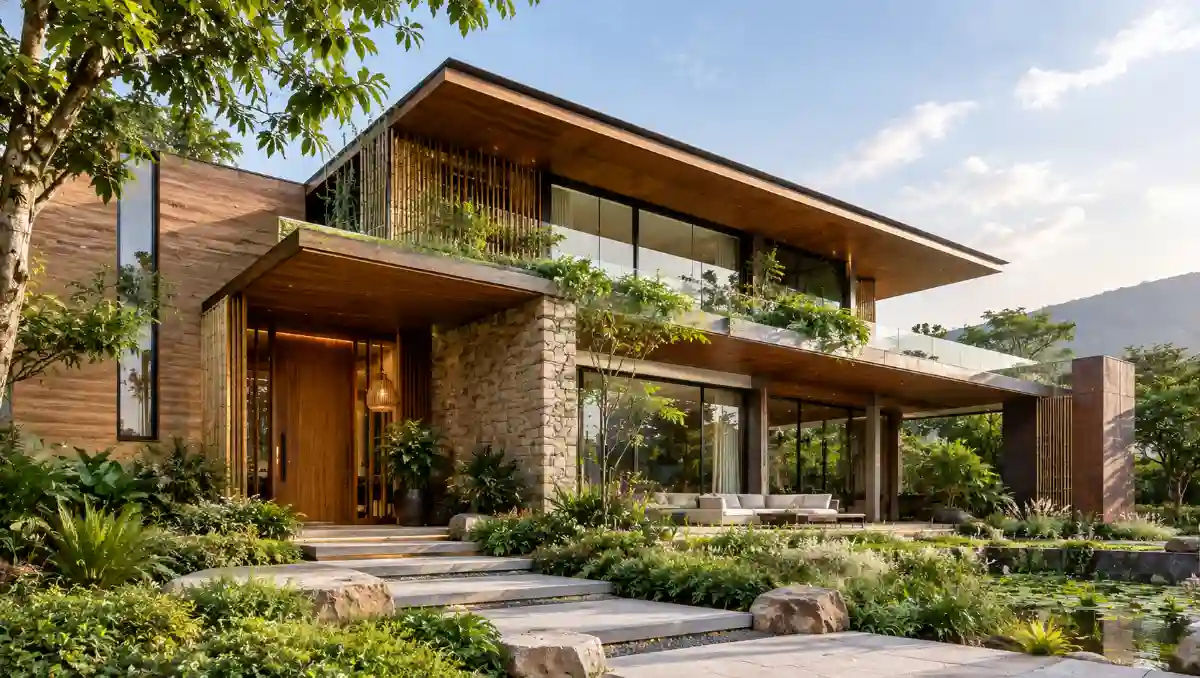
Sustainable construction is becoming increasingly important in modern architecture and home design as architects look for better materials and more efficient building strategies.
Why bamboo is considered eco-friendly
- Rapidly renewable resource
- Can be used in several building applications
- Lightweight compared with many conventional materials
- Suitable for contemporary and traditional designs
- Can provide a natural architectural appearance
2. Reclaimed Wood
Reclaimed wood comes from previously used structures, buildings, flooring, barns, warehouses, or other sources.
Instead of manufacturing completely new timber products, reclaimed wood gives existing material another use.
It can be used for:
- Flooring
- Wall panels
- Ceiling details
- Doors
- Furniture
- Architectural features
- Exterior applications when properly treated
The appearance of reclaimed wood can also add warmth and character to modern interiors.
3. Recycled Steel
Steel is widely used in modern construction, and its ability to be recycled makes it an important material in discussions about sustainable construction.
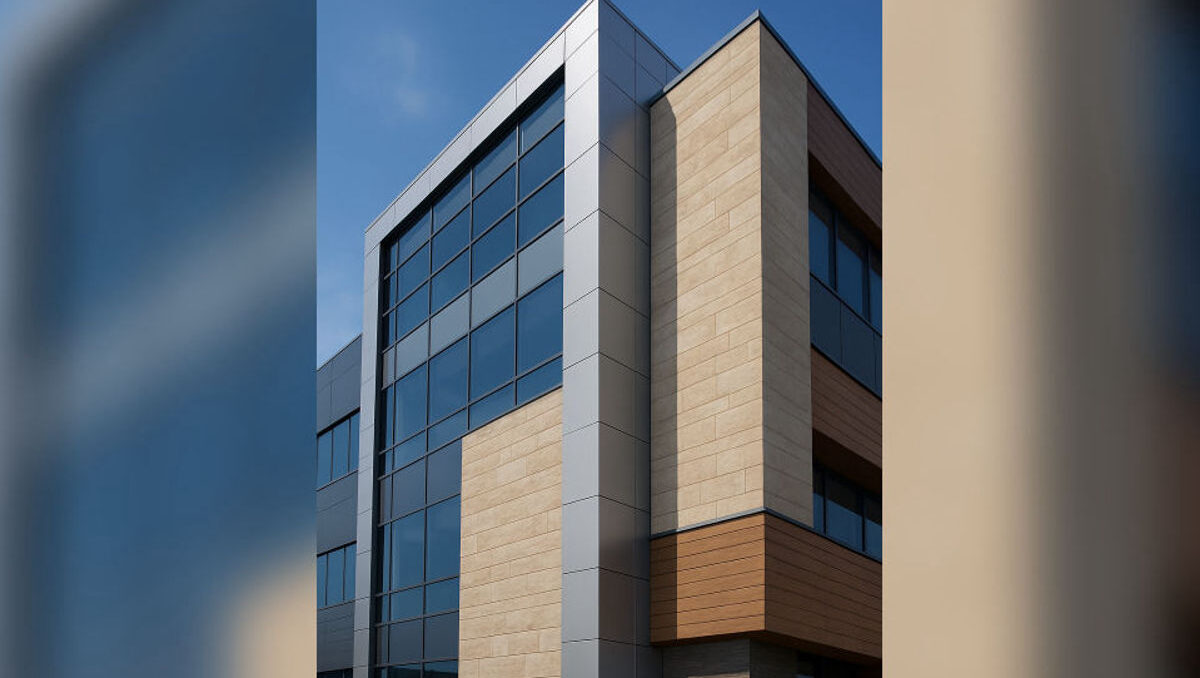
Recycled steel can be used for structural framing, reinforcement, roofing, façades, and other applications.
Its strength allows engineers to create durable structures while using relatively efficient structural systems.
Benefits of recycled steel
- High strength
- Long service life
- Recyclable
- Suitable for large structural spans
- Works well with modern construction systems
The environmental performance still depends on factors such as production methods, recycled content, transportation, and the overall design of the building.
4. Recycled Glass
Waste glass can be processed and incorporated into a variety of construction and design products.
Depending on the application, recycled glass can be used in countertops, tiles, decorative surfaces, insulation products, aggregates, and architectural finishes.
It can be particularly effective when designers want to combine sustainability with a distinctive visual appearance.
5. Rammed Earth
Rammed earth is an established construction technique in which suitable soil or earth is compacted into forms to create walls.
Modern rammed-earth construction can combine traditional principles with contemporary engineering and detailing.
Its appearance is often characterized by natural layers and earthy textures.
Advantages of rammed earth
- Natural appearance
- Potentially low transportation impact when suitable local soil is available
- High thermal mass
- Durable when correctly designed and protected
- Can create distinctive architectural interiors and exteriors
The suitability of rammed earth depends heavily on local soil conditions, climate, engineering requirements, and construction expertise.
6. Recycled Concrete
Concrete is one of the most widely used construction materials, but conventional cement production has a significant carbon footprint.
Using recycled concrete aggregates and alternative approaches to concrete production can help reduce reliance on virgin aggregate and construction waste.
Old concrete can be crushed and processed for use in certain new construction applications.
However, recycled aggregate is not automatically appropriate for every structural application. Performance requirements must always be considered.
7. Low-Carbon Concrete
Researchers and manufacturers are developing concrete mixes that aim to reduce the emissions associated with conventional cement production.
Approaches can include:
- Supplementary cementitious materials
- Alternative binders
- Optimized mix designs
- Recycled aggregates
- Lower-clinker cement systems
For large construction projects, reducing the amount of conventional cement used in suitable applications can be an important part of a broader low-carbon strategy.
8. Cork
Cork is a renewable material harvested from the bark of cork oak trees without necessarily cutting down the tree.
It can be used for flooring, wall finishes, acoustic applications, insulation, and interior products.
Its natural texture makes it particularly suitable for warm, contemporary interiors.
Why cork is useful in sustainable design
- Renewable source
- Lightweight
- Naturally insulating
- Useful for acoustic applications
- Comfortable underfoot
- Distinctive natural appearance
9. Recycled Plastic Building Products
Recycled plastic can be converted into construction products such as decking, panels, furniture, composite products, and other building components.
Using recycled plastic can help divert certain waste streams from disposal.
However, designers should examine the product’s complete life cycle, durability, additives, maintenance requirements, and end-of-life options before selecting it.
10. Hemp-Based Building Materials
Hemp can be used in certain construction products, including hemp-lime systems often referred to as hempcrete.
Hemp-lime walls can provide insulation and moisture-regulating characteristics when properly designed.
They are generally used as a non-load-bearing wall system rather than as a direct replacement for conventional structural concrete.
11. Recycled or Reclaimed Brick
Reclaimed bricks can be recovered from demolished or renovated buildings and reused in new projects.
They can provide a distinctive aged appearance while reducing the need for newly manufactured bricks.
Reclaimed brick can work particularly well for:
- Feature walls
- Garden walls
- Paving
- Interior design
- Heritage-inspired architecture
- Contemporary industrial-style spaces
12. Natural Stone
Natural stone can be a durable building material when sourced responsibly and used appropriately.
Stone can have a long service life, which can reduce the need for frequent replacement.
However, stone is not automatically an eco-friendly choice. Quarrying, processing, and long-distance transportation can significantly affect its environmental footprint.
Local sourcing and long-term durability are therefore important considerations.
How to Choose the Right Eco-Friendly Building Material
There is no single sustainable material that works for every building.
Before selecting a product, consider the following factors.
1. Durability
A material that lasts for decades may avoid replacement, repair, and additional resource use.
2. Embodied Carbon
Consider the emissions associated with extracting raw materials, manufacturing, transporting, installing, and maintaining the product.
3. Local Availability
Locally available materials can sometimes reduce transportation requirements and support regional supply chains.
4. Recycled Content
Check how much recycled or reclaimed material is actually included rather than relying only on broad sustainability claims.
5. Maintenance
A material that requires frequent replacement, specialized treatment, or intensive maintenance may have a higher long-term environmental impact.
6. End-of-Life Options
Consider whether the material can be reused, recycled, repaired, or safely disposed of after its useful life.
7. Climate Suitability
A sustainable material must also work with the local climate.
Moisture, heat, humidity, temperature changes, insects, sunlight, and rainfall can all affect material performance.
Eco-Friendly Materials vs Traditional Building Materials
The difference is not always as simple as “green versus non-green.”
A conventional material may have a long lifespan, while a supposedly sustainable product may require frequent replacement.
For example, choosing a durable material that lasts significantly longer can sometimes be more resource-efficient than selecting a less durable product simply because it contains recycled content.
The most responsible choice depends on the whole life cycle of the material.
Benefits of Eco-Friendly Building Materials
Using appropriate sustainable materials can provide several potential benefits.
Reduced construction waste
Reclaimed and recycled products can give existing materials a second life.
Better resource efficiency
Renewable and recycled materials can reduce dependence on virgin resources in suitable applications.
Lower environmental impact
Some materials and manufacturing systems can reduce embodied carbon or other environmental impacts.
Improved indoor comfort
Certain natural materials can contribute to thermal, acoustic, or moisture performance when properly designed.
Natural materials can also support biophilic design, helping create stronger visual and sensory connections between buildings and nature.
Unique aesthetics
Materials such as reclaimed wood, rammed earth, cork, natural stone, and reclaimed brick can add texture and character to architecture.
Common Mistakes When Choosing Sustainable Materials
Choosing a product only because it is labeled “eco-friendly”
Look beyond marketing claims and examine the material’s actual properties, certifications, composition, durability, and life cycle.
Ignoring transportation
A locally available material and an imported material may have very different environmental impacts depending on the distance and transportation method.
Forgetting durability
Replacing a material several times can offset some of the environmental benefits of choosing it initially.
Ignoring local climate
A material that performs well in a dry climate may require different detailing or maintenance in a humid or rainy environment.
Focusing only on the material
A sustainable building depends on more than materials. Orientation, insulation, ventilation, shading, energy use, water management, construction methods, and maintenance also matter.
How Eco-Friendly Materials Are Changing Modern Architecture
Sustainable materials are influencing architecture beyond simply replacing conventional products.
Architects are increasingly exploring:
- Reclaimed materials
- Bio-based materials
- Low-carbon concrete
- Modular construction
- Reuse of existing buildings
- Passive design
- Green façades
- Recycled building products
- Locally sourced materials
- Design for disassembly
This approach is helping move sustainable architecture from a specialized concept toward a broader design philosophy.
Final Thoughts
Eco-friendly building materials can play an important role in creating more responsible and durable buildings. Bamboo, reclaimed wood, recycled steel, rammed earth, cork, recycled glass, low-carbon concrete, and reclaimed brick are just some of the options available to architects, builders, and homeowners.
However, the most sustainable material is not always the one with the strongest marketing claim. Material sourcing, durability, manufacturing, transportation, maintenance, climate suitability, and end-of-life options should all be considered.
The best results come when sustainable materials are combined with good architectural design, efficient building systems, and thoughtful construction practices.
Frequently Asked Questions
What are eco-friendly building materials?
Eco-friendly building materials are products selected or manufactured to reduce environmental impact through factors such as recycled content, renewable sourcing, durability, lower embodied carbon, efficient production, reuse, or recyclability.
What is the most sustainable building material?
There is no single material that is universally the most sustainable. The appropriate choice depends on the material’s life cycle, location, durability, manufacturing process, transportation, maintenance, and intended application.
Is bamboo a good eco-friendly building material?
Bamboo can be a renewable construction material and is used for flooring, furniture, finishes, screens, and certain structural applications. Its suitability depends on species, treatment, detailing, climate, and intended use.
Is reclaimed wood environmentally friendly?
Reclaimed wood can reduce demand for newly harvested timber and reuse existing material. Its environmental benefits depend on its source, processing, transportation, treatment, and intended application.
What is low-carbon concrete?
Low-carbon concrete refers to concrete approaches designed to reduce emissions associated with conventional concrete production. This can involve reducing clinker content, using supplementary cementitious materials, alternative binders, optimized mixes, or recycled materials.
Are natural materials always sustainable?
No. A natural material can still have significant environmental impacts from extraction, processing, transportation, or poor land-management practices. Sustainability should be evaluated across the material’s life cycle.
How can homeowners use eco-friendly building materials?
Homeowners can consider reclaimed wood, recycled-content products, durable local materials, low-impact paints and finishes, efficient insulation, recycled or reclaimed flooring, and responsibly sourced materials during renovation or new construction.
Why are sustainable building materials important?
They can help reduce resource consumption, construction waste, embodied emissions, and environmental impacts when selected and used appropriately as part of a broader sustainable building strategy.