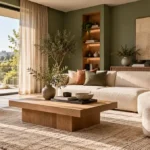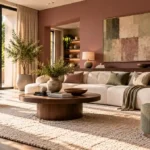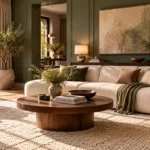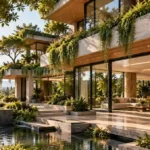
The biggest interior design trends for 2027 are not simply about buying new furniture or choosing the latest paint color. They reflect a broader shift toward homes that feel warmer, more comfortable and more personal.
After years of cool grey interiors, highly coordinated furniture and pared-back decorating, designers are increasingly exploring rich colors, natural materials, tactile finishes and meaningful objects.
The result is a more relaxed approach to home design: rooms that look thoughtfully collected rather than perfectly staged.
Interior design trends 2027 include warm minimalism, earthy color palettes, curved furniture, color drenching, vintage pieces, textured walls, layered lighting and more sustainable decorating choices.
Some of these ideas have been developing for several years, while others are becoming more prominent in forecasts for the year ahead.
The good news? You do not need a complete renovation to incorporate them.
Here are 15 interior design trends worth exploring in 2027, along with practical ways to make them work in your home.
What Are the Biggest Interior Design Trends for 2027?
The defining direction for 2027 is a move toward warmth and individuality.
Instead of following a single rigid decorating style, homeowners are increasingly combining contemporary furniture with vintage finds, natural materials and colors that reflect their preferences.
The strongest emerging themes include:
- Warm, earthy colors instead of exclusively cool neutrals
- Comfortable furniture with softer silhouettes
- Richer greens, browns and muted purple tones
- Handmade materials and textured surfaces
- Personal collections and vintage furniture
- More considered, layered lighting
- Durable pieces designed for long-term use
These are emerging directions rather than rules. A successful home should reflect how you live, not simply what is fashionable.
1. Warm Minimalism Replaces Cold, Sterile Interiors
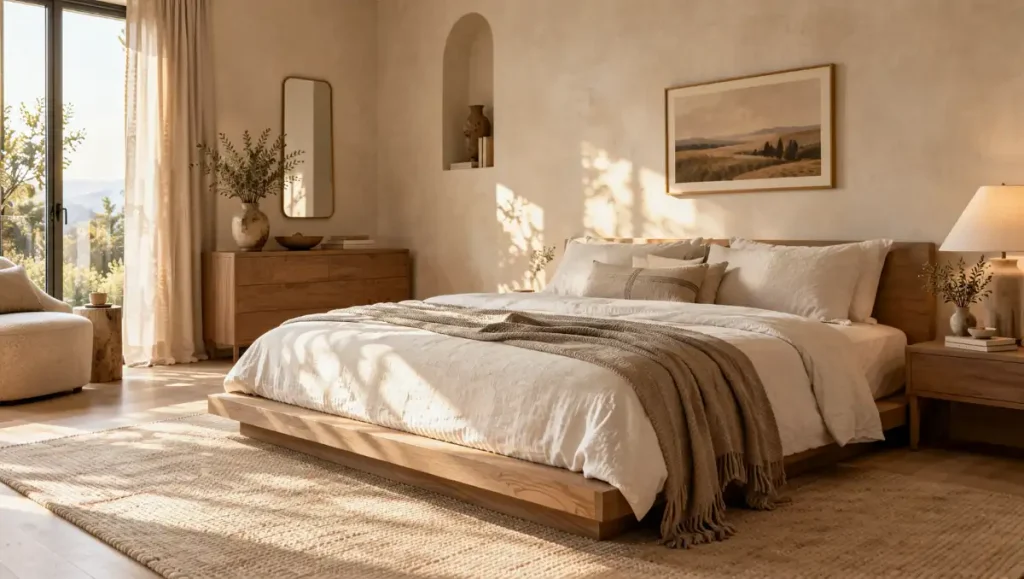
Minimalism is not disappearing, but its appearance is changing.
The all-white rooms, glossy surfaces and sharp lines often associated with minimalist design are giving way to warmer materials and softer textures.
In 2027, warm minimalism focuses on simplicity without sacrificing comfort.
Think creamy walls, oak furniture, linen curtains, wool rugs and understated ceramics.
How to Try It
Start with a warm neutral palette of ivory, oatmeal and beige.
Choose furniture with simple shapes but inviting textures. A linen sofa, oak coffee table and handwoven rug can create a balanced living room without unnecessary decoration.
Best for: Living rooms, bedrooms and smaller homes.
Avoid: Using too many similar beige surfaces without variation in texture or tone.
2. Earthy Browns Become a Major Neutral
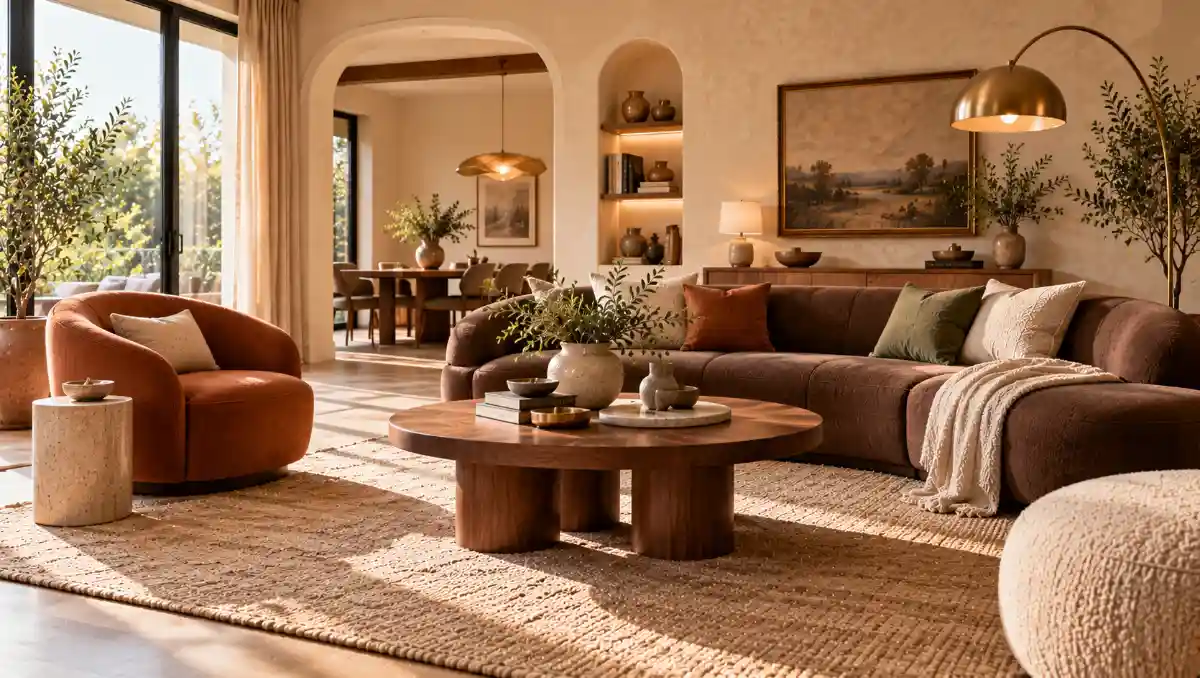
Brown is emerging as a stronger alternative to cool grey.
Chocolate, walnut, coffee, mushroom and caramel tones can add depth and warmth to interiors.
Unlike some trend-driven colors, brown also works naturally with timber, leather, stone and woven materials.
How to Try It
Introduce chocolate brown through a sofa, armchair or wooden furniture.
Pair it with cream walls, terracotta accessories and natural oak flooring.
For a lighter approach, choose mushroom or taupe upholstery instead of a deep brown sofa.
Best for: Living rooms, bedrooms and dining rooms.
Design tip: Use ivory or warm white to keep darker brown schemes balanced.
3. Rich Green Paint Colors Add Character
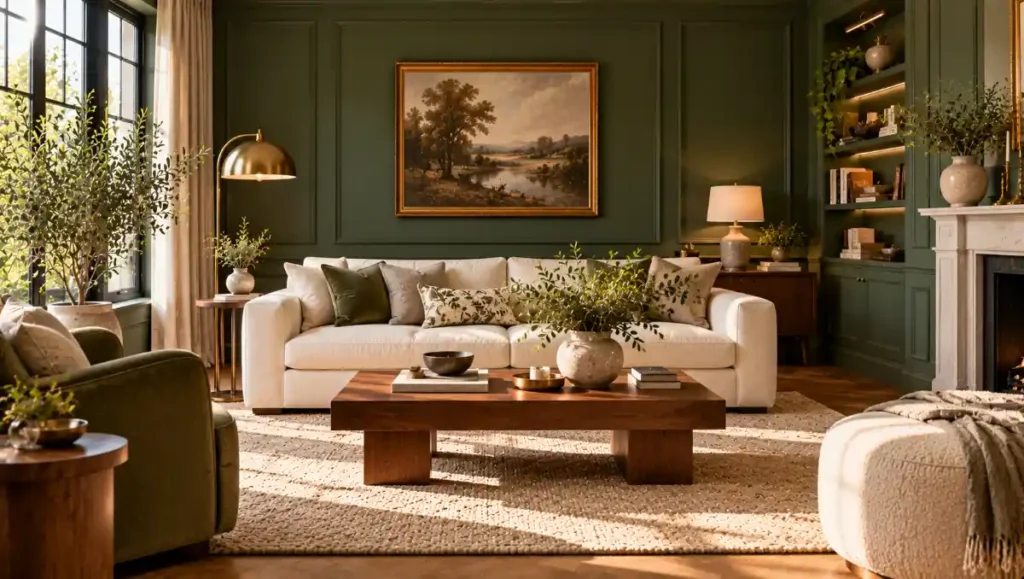
Green continues to be important in interior design, but deeper and more confident shades are attracting attention.
Olive, moss, heritage green and other grounded tones offer a stronger visual presence than pale sage.
A notable example is Benjamin Moore Webster Green HC-130, selected as the company’s 2027 Color of the Year.
These greens work especially well with warm timber, ivory textiles and aged metal finishes.
How to Try It
Paint a built-in bookcase, kitchen island or bedroom feature wall in a rich green.
For a softer scheme, combine darker green accents with sage green and warm neutrals.
Explore our guide to 15 beautiful colors that go with sage green for more green-based decorating combinations.
Best for: Kitchens, home offices, bedrooms and living rooms.
Design tip: Test green paint in different lighting conditions before choosing a final shade.
4. Muted Mauve and Dusty Purple Make a Comeback
Purple is returning in more understated forms.
Instead of vivid violet, designers are exploring muted mauve, dusty lavender, aubergine and plum.
These shades can add personality without making a room feel overly bright.
Mauve works particularly well with cream, sage green, taupe and walnut.
How to Try It
Choose dusty mauve cushions for a neutral sofa, introduce mauve upholstery in a bedroom or use a muted purple on a small feature wall.
For a richer scheme, combine plum accents with chocolate brown furniture.
If you are unsure which colors to pair with mauve, read our guide to 15 beautiful colors that go with mauve.
Best for: Bedrooms, living rooms and creative spaces.
Design tip: Balance mauve with warm neutrals to avoid an overly pink or purple interior.
5. Curved Furniture Creates Softer Living Spaces
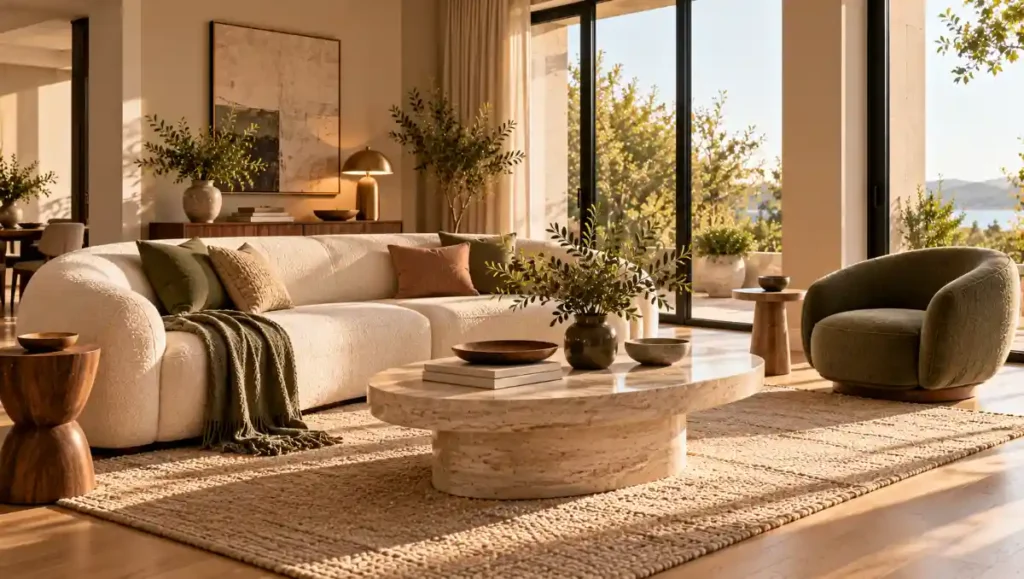
Rounded furniture is another important direction for 2027.
Curved sofas, oval coffee tables, sculptural armchairs and circular dining tables introduce softer lines into rooms dominated by rectangular architecture.
The appeal is not just visual.
In some layouts, a rounded coffee table or oval dining table can also make circulation around furniture more comfortable.
How to Try It
Replace a sharp-cornered coffee table with an oval design.
Consider a rounded accent chair or a softly curved sofa when replacing existing furniture.
You do not need every item to have a curved shape. One statement piece is often enough.
Best for: Contemporary living rooms, dining rooms and open-plan homes.
Design tip: Check furniture dimensions and circulation space before purchasing.
6. Textured Walls Add Depth Without Bold Patterns
Flat painted walls are increasingly being complemented by tactile finishes.
Limewash-inspired paint, plaster-effect surfaces, grasscloth wallpaper and subtle wall treatments create visual interest through texture.
These finishes work particularly well with warm minimalist interiors.
How to Try It
Create a textured feature wall behind a bed or sofa.
Choose a finish that complements the room’s existing materials.
A soft plaster-effect wall, for example, can pair beautifully with timber furniture and natural linen.
Best for: Bedrooms, living rooms and dining areas.
Design tip: Consider maintenance, moisture exposure and surface preparation before selecting a decorative finish.
7. Color Drenching Creates More Immersive Rooms
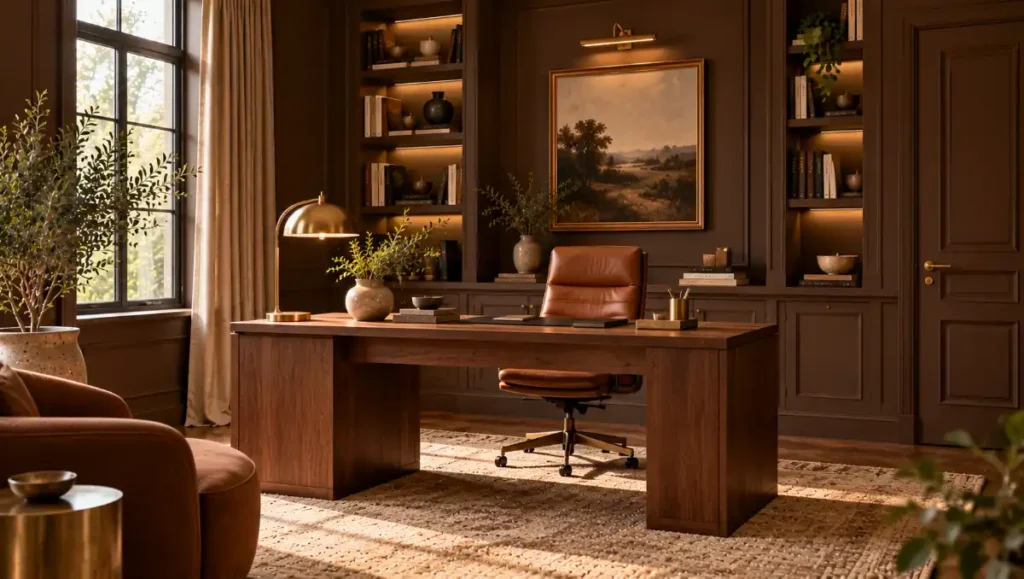
Color drenching involves painting walls, trim, doors and sometimes ceilings in the same color or closely related tones.
The technique can make a room feel cohesive and enveloping.
In 2027, deeper greens, chocolate browns, muted blues and warm neutrals are particularly suitable for this approach.
How to Try It
Start with a small study, reading room or bedroom.
Use one paint color across walls and architectural details, adjusting sheen where appropriate.
Keep furniture and textiles in complementary tones.
Best for: Home offices, bedrooms and intimate living spaces.
Design tip: Sample the color extensively before applying it to every surface.
8. Vintage Furniture Makes Homes More Personal
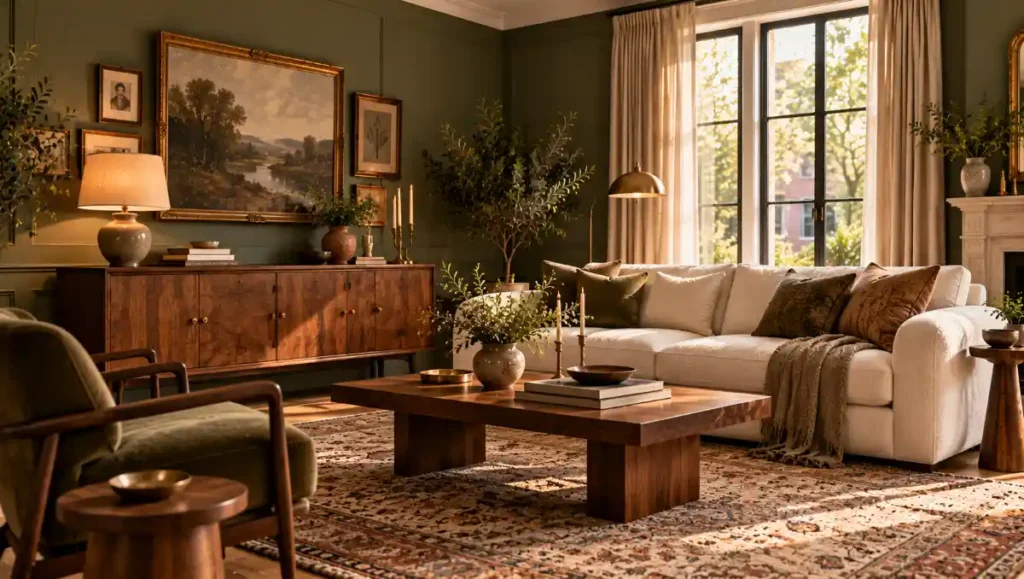
A perfectly matched furniture set is no longer the only route to a coordinated interior.
Mixing vintage and contemporary pieces creates rooms with greater individuality.
An antique wooden cabinet can sit beside a modern sofa, while a vintage mirror can complement contemporary lighting.
This approach also offers opportunities to reuse existing furniture.
How to Try It
Start with one vintage item, such as a side table, chest of drawers or dining chair.
Choose a piece that complements the scale and materials of your existing furniture.
Best for: Living rooms, bedrooms and dining spaces.
Design tip: Inspect second-hand furniture for structural condition, finish quality and safety before bringing it home.
9. Layered Lighting Becomes Essential
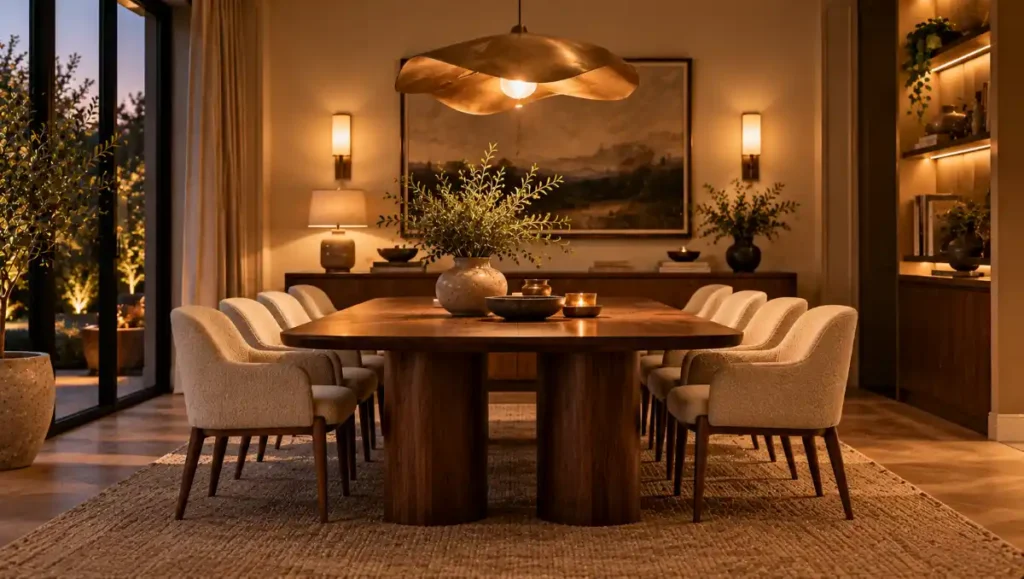
Lighting is increasingly treated as a key design element rather than an afterthought.
Instead of relying on a single bright ceiling fixture, layered lighting combines different sources for different activities.
A living room might include a pendant light, table lamps, floor lamps and subtle shelf lighting.
How to Try It
Think about three functions:
Ambient lighting provides general illumination.
Task lighting supports activities such as reading, cooking and working.
Accent lighting highlights artwork, shelves and architectural details.
Combine these layers according to the room’s purpose.
Best for: Every room, especially living rooms, kitchens and bedrooms.
Design tip: Consider glare, color temperature, dimming compatibility and energy efficiency.
10. Natural Stone Becomes a Statement Material
Stone surfaces with visible movement, texture and variation are gaining attention.
Marble, travertine, limestone and other natural stones can introduce character to kitchens, bathrooms and furniture.
Rather than hiding natural variation, designers are increasingly celebrating it.
How to Try It
Introduce stone through a coffee table, side table, backsplash or vanity surface.
For a lower-maintenance option, consider suitable engineered or ceramic alternatives.
Best for: Kitchens, bathrooms and contemporary living rooms.
Design tip: Compare porosity, stain resistance, cleaning requirements and installation costs before selecting a material.
11. Handmade and Imperfect Details Add Authenticity
Not every object in a home needs to look identical.
Handmade ceramics, woven baskets, textured textiles and artisanal furniture can make an interior feel more individual.
Small variations in shape and finish often contribute to their appeal.
How to Try It
Display a small collection of handmade ceramics on open shelving.
Choose a handwoven rug or textured cushion covers.
Mix these pieces with simpler furniture to avoid visual clutter.
Best for: Living rooms, bedrooms and dining rooms.
Design tip: Select fewer pieces that you genuinely enjoy rather than filling shelves with decorative objects.
12. Biophilic Design Goes Beyond Houseplants
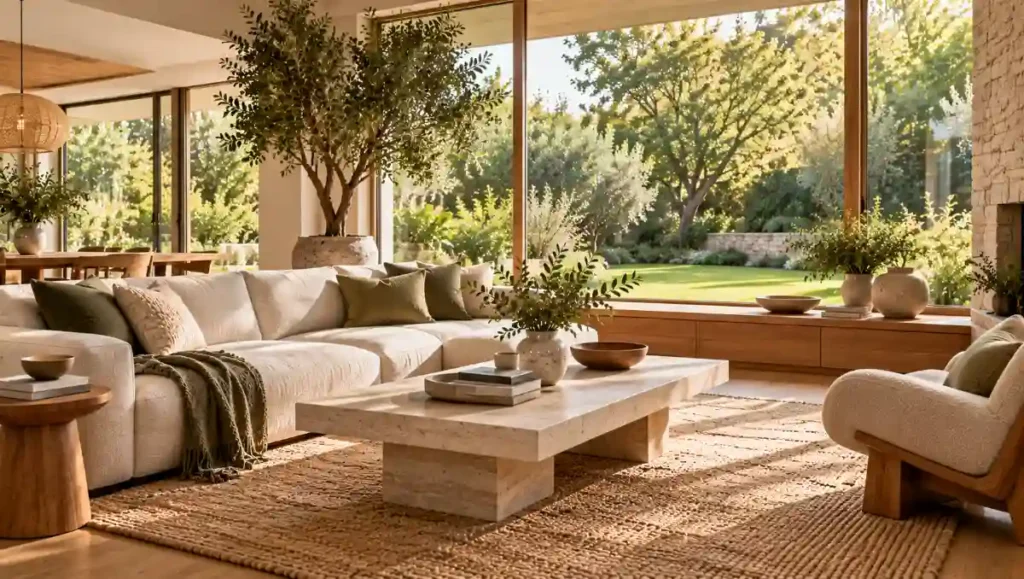
Biophilic design explores ways to strengthen the connection between people and nature in built environments.
In residential interiors, this can include daylight, natural materials, views of greenery and comfortable connections to outdoor spaces.
Houseplants can be part of the approach, but they are not the whole story.
How to Try It
Maximize useful daylight without creating excessive glare or heat gain.
Use natural materials where practical.
Position seating to take advantage of garden views, and select plants suited to the room’s actual conditions.
Best for: Living rooms, bedrooms and home offices.
Design tip: Good ventilation, daylight control and thermal comfort matter more than simply adding decorative greenery.
13. Pattern Mixing Creates Collected Interiors
Pattern is becoming a more expressive part of residential decorating.
Stripes, checks, florals and geometric designs can coexist when their colors and scales are carefully coordinated.
The goal is a layered room that feels personal rather than chaotic.
How to Try It
Begin with one patterned rug or curtain fabric.
Repeat two or three colors from that pattern in cushions or upholstery.
Combine a larger-scale pattern with a smaller-scale design for variation.
Best for: Living rooms, bedrooms and eclectic interiors.
Design tip: Leave some plain surfaces to give the eye a place to rest.
14. Small, Purposeful Spaces Gain Importance
Home design is increasingly about making existing space work harder.
A compact reading corner, window seat, dedicated work area or organized pantry can improve daily life without a major extension.
The emphasis is on useful, comfortable spaces rather than adding rooms simply for appearance.
How to Try It
Identify an underused corner in your home.
A comfortable chair, small side table and reading lamp may be enough to create a useful retreat.
In a kitchen, improve storage with pull-out shelves, dividers or a well-planned pantry.
Best for: Apartments, smaller houses and family homes.
Design tip: Prioritize storage, access and functionality before decorative details.
15. Sustainable Decorating Focuses on Longevity
One of the most practical directions for 2027 is buying fewer, better-suited pieces.
Sustainable decorating is not only about purchasing products marketed as eco-friendly.
It can also involve repairing furniture, reusing existing materials, choosing durable finishes and avoiding unnecessary replacements.
How to Try It
Reupholster a good-quality chair rather than discarding it.
Refinish suitable timber furniture.
Choose products with credible material information, appropriate durability and repair options.
When renovating, consider whether existing elements can be retained.
Best for: Every home.
Design tip: A durable item that remains useful for many years may be a better choice than repeatedly replacing inexpensive trend-led furniture.
Interior Design Trends 2027 at a Glance
| Trend | Key feature | Easy way to try it |
|---|---|---|
| Warm minimalism | Simple, comfortable spaces | Add linen and warm timber |
| Earthy browns | Rich neutral colors | Introduce brown upholstery |
| Deep greens | Grounded, expressive color | Paint a cabinet or feature wall |
| Muted mauve | Soft purple-pink accents | Add mauve cushions |
| Curved furniture | Organic silhouettes | Choose an oval coffee table |
| Textured walls | Tactile finishes | Create one textured wall |
| Color drenching | Coordinated painted surfaces | Paint walls and trim alike |
| Vintage furniture | Personal character | Add a vintage side table |
| Layered lighting | Multiple lighting sources | Add table and floor lamps |
| Natural stone | Characterful materials | Introduce a stone accent |
| Handmade decor | Individual craftsmanship | Display handmade ceramics |
| Biophilic design | Connection to nature | Improve daylight and views |
| Pattern mixing | Layered visual interest | Combine patterned textiles |
| Purposeful spaces | Functional small areas | Create a reading corner |
| Sustainable decorating | Longevity and reuse | Repair or refinish furniture |
What Interior Design Colors Will Be Popular in 2027?
Current forecasts suggest that the 2027 interior color palette will favor warmth, depth and more expressive combinations.
Prominent directions include chocolate brown, terracotta, olive green, heritage green, muted mauve, plum, warm cream and earthy beige.
However, this does not mean cool colors or grey interiors are obsolete.
A well-designed room can remain attractive for years regardless of whether its colors are currently trending.
If you are repainting, choose shades that work with your home’s daylight, flooring and existing furniture.
How to Incorporate 2027 Trends Without Renovating
You can refresh a room without replacing everything.
Start by identifying what already works.
A good-quality sofa, dining table or bed frame can remain the foundation of your design.
Then consider a few manageable updates:
- Change cushion covers and throws.
- Introduce a warmer color through paint or artwork.
- Add a table lamp for more flexible lighting.
- Replace a worn rug with a durable textured design.
- Incorporate one vintage or handmade item.
- Rearrange furniture to improve circulation.
- Refresh existing cabinets or furniture where practical.
For larger projects, our guide to home renovation ideas that add value explores other improvements to consider.
The best approach is to make changes that solve an existing problem while also improving the appearance of your home.
Which 2027 Interior Design Trends Are Likely to Last?
Not every trend will have the same lifespan.
Warm neutrals, natural materials, practical lighting and comfortable furniture have broad appeal because they address everyday needs.
Vintage furniture and personal collections can also remain meaningful long after a particular decorating style changes.
More expressive choices, such as a dramatic paint color or unusual patterned upholstery, may depend more heavily on personal taste.
For expensive purchases, prioritize comfort, durability, dimensions and maintenance.
For lower-cost items, experiment more freely with seasonal colors and decorative accents.
Interior Design Trends to Approach Carefully in 2027
Trends can provide inspiration, but following them too literally can produce interiors that date quickly.
Be cautious about replacing functional furniture solely because a new silhouette is fashionable.
Avoid covering every surface in a trending color before testing it in your home.
Similarly, do not assume that natural materials are automatically low-maintenance or environmentally preferable in every application.
A thoughtful interior balances appearance with performance, comfort, cost and personal preference.
Final Thoughts
The most exciting interior design trends for 2027 point toward homes that feel warmer, more expressive and more individual.
Rich greens, earthy browns, muted mauve, curved furniture and textured surfaces offer fresh decorating opportunities.
At the same time, vintage furniture, layered lighting and durable materials encourage a more considered approach to home design.
You do not need to adopt all 15 trends.
Choose the ideas that suit your space, budget and lifestyle, then combine them with furniture and details you already love.
A beautiful home in 2027 should feel personal first and fashionable second.
Frequently Asked Questions
What are the biggest interior design trends for 2027?
Emerging trends include warm minimalism, earthy colors, curved furniture, textured walls, color drenching, vintage decor, layered lighting and sustainable decorating.
What colors are trending for interiors in 2027?
Warm neutrals, chocolate brown, terracotta, olive green, heritage green, muted mauve and plum are among the prominent forecast directions.
Is grey going out of style in 2027?
Cool all-grey interiors are receiving less emphasis in many design forecasts, but grey remains useful when it suits the architecture, lighting and overall palette.
Is minimalism still popular in 2027?
Yes. Warm minimalism retains simple layouts and restrained decoration while introducing more comfortable textures, warmer colors and natural materials.
Are curved sofas still in style for 2027?
Curved and organic furniture shapes remain prominent in current forecasts. Their suitability depends on room dimensions, comfort and furniture placement.
What is the easiest way to update a living room for 2027?
Try warmer cushions, layered lighting, a textured rug or one distinctive accent chair before considering expensive furniture replacements.
What are the bedroom design trends for 2027?
Comfortable textiles, warm neutrals, muted colors, layered lighting and personalized details are important directions for bedrooms.
How can I follow interior design trends on a budget?
Refresh paint, textiles, lighting and accessories while retaining good-quality existing furniture. Second-hand pieces can also introduce character at a lower cost.
Are sustainable interiors a major trend for 2027?
Long-lasting materials, furniture reuse, repair and more considered purchasing are increasingly important themes in residential design.
Should I follow every interior design trend?
No. Select trends that improve how your home looks and functions, rather than adopting them simply because they are popular.