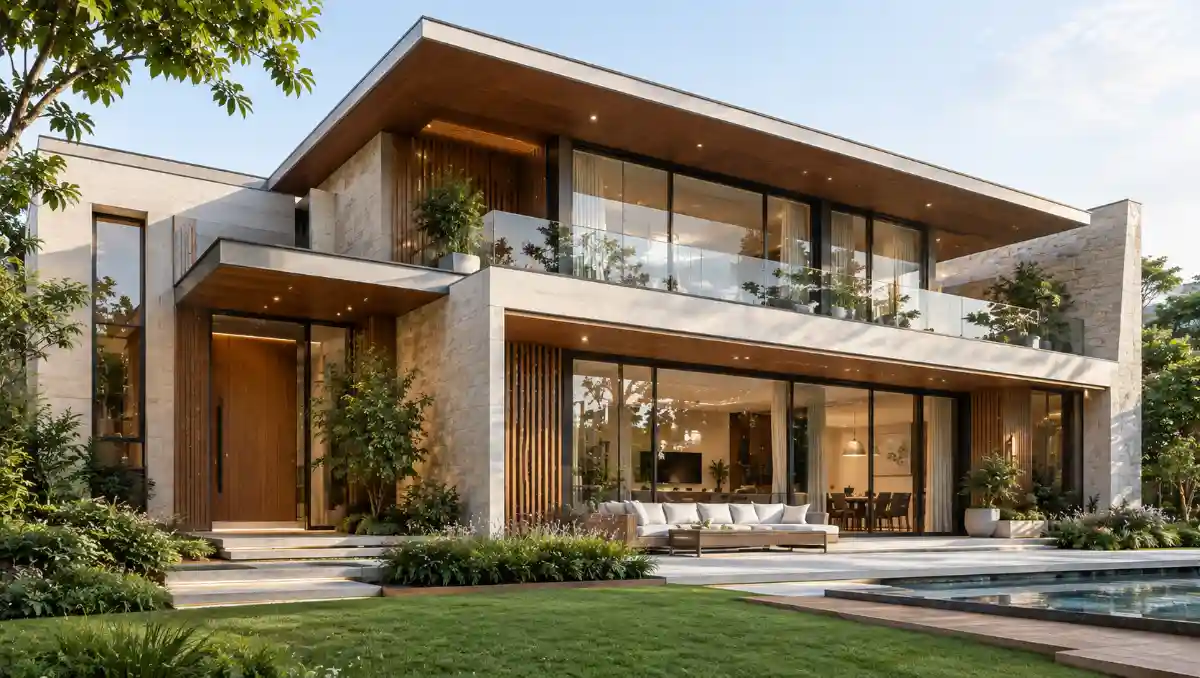
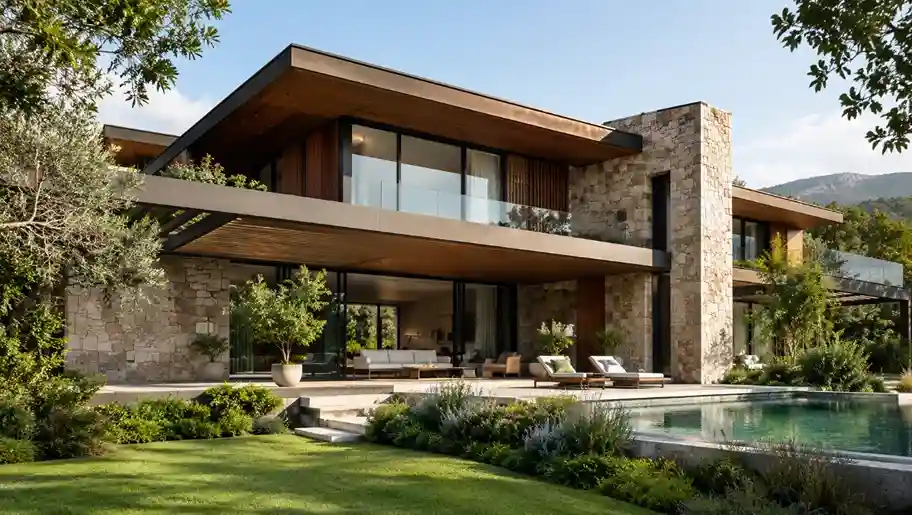
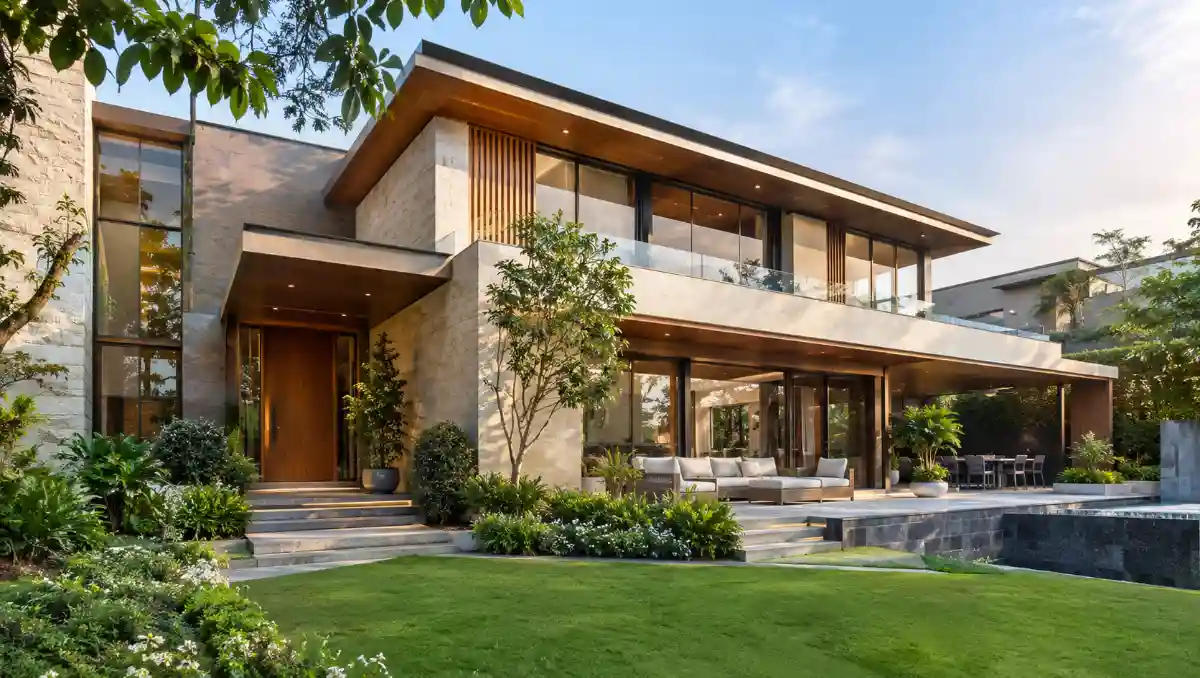
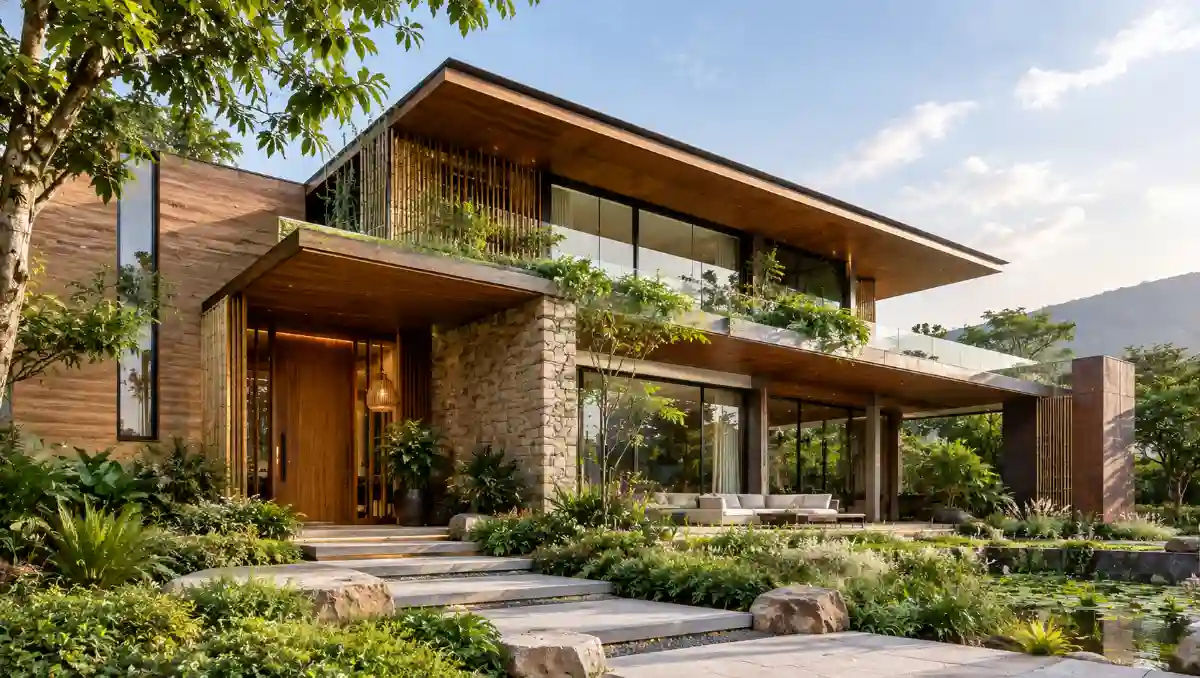
Aluminium window design has become a popular choice for modern homes because it combines a clean appearance with practical functionality. Slim frames, large glass areas, contemporary finishes and flexible configurations make aluminium windows suitable for everything from compact apartments to large luxury homes.
Unlike traditional bulky window frames, modern aluminium systems can create a lighter visual appearance while allowing architects and homeowners to experiment with different opening styles, glazing options and facade compositions.
Whether you are building a new house or renovating an existing one, choosing the right aluminium window design involves more than selecting a frame colour. Window orientation, ventilation, daylight, privacy, glass type, opening mechanism, weather exposure and maintenance should all be considered.
In this guide, we explore modern aluminium window ideas, popular types, their advantages and disadvantages, design considerations and tips for choosing the right windows for your home.
What Is an Aluminium Window?
An aluminium window consists of an aluminium frame combined with glass and hardware to create an opening in a building envelope.
Aluminium is widely used for window frames because it is lightweight, strong and suitable for creating relatively slim profiles. Its appearance also works well with contemporary architectural styles.
The frame can be finished in different colours and surface treatments, while the window can incorporate different types of glass depending on requirements for daylight, privacy, thermal performance and appearance.
For homeowners interested in contemporary residential architecture, aluminium windows can complement the principles discussed in our guide to modern architecture and home design.
Why Are Aluminium Windows Popular in Modern Homes?
Aluminium windows are particularly suited to modern architecture because they can combine large glazed areas with relatively narrow framing.
Some common reasons for choosing aluminium include:
Clean and contemporary appearance
Slim visual profiles
Wide range of configurations
Large glass areas
Low routine maintenance
Good resistance to weather exposure
Compatibility with modern facade designs
Variety of colours and finishes
Suitability for residential and commercial buildings
However, the performance of a window depends on the complete system, not simply the fact that the frame is aluminium. Glass specification, thermal breaks, seals, hardware, installation quality and frame design all influence performance.
15 Modern Aluminium Window Design Ideas
1. Slim Frame Aluminium Windows
Slim-frame windows are among the most popular choices for contemporary homes.
The reduced visual presence of the frame allows more attention to be given to the glass and the surrounding architecture.
This style works particularly well with:
Minimalist homes
Contemporary villas
Modern apartments
Large living rooms
Garden-facing rooms
A slim frame can make a window appear larger without necessarily increasing the overall opening.
2. Large Aluminium Sliding Windows
Large sliding windows are useful when homeowners want generous openings without requiring the window panels to swing into the room.
They are particularly suitable for:
Living rooms
Dining areas
Bedrooms with balconies
Garden-facing spaces
Terraces
A large sliding window can also strengthen the visual connection between indoor and outdoor spaces.
For very large glazed openings, the structural and glazing requirements should be assessed by an appropriately qualified professional.
3. Aluminium Casement Windows
Casement windows are hinged and open outward or inward depending on the system.
They are a practical option when ventilation is an important consideration.
Casement windows can work well in:
Bedrooms
Kitchens
Bathrooms
Study rooms
Smaller residential openings
Their simple appearance also works with both contemporary and transitional architecture.
4. Aluminium Fixed Windows
Fixed windows do not open but provide daylight and views.
They are useful when ventilation is not required from a particular opening.
A fixed aluminium window can be combined with operable windows to create a larger architectural composition.
For example, a living-room facade could use a large fixed glass panel beside a smaller opening window.
5. Aluminium Sliding Door and Window Combinations
Combining aluminium windows with large sliding doors can create a continuous glazed wall.
This approach is particularly effective when a living room opens toward:
A garden
Balcony
Courtyard
Terrace
Pool area
The result can make the interior appear visually connected to the exterior.
6. Black Aluminium Window Design
Black aluminium frames are popular in contemporary residential design because they create strong visual contrast against glass, concrete, stone, brick and light-coloured walls.
Black frames can give a facade a more architectural appearance.
They can also work particularly well with:
Modern villas
Industrial interiors
Minimalist houses
Contemporary farmhouses
Commercial spaces
The choice should still consider the overall colour palette of the building rather than following a trend automatically.
7. White Aluminium Window Design
White aluminium windows offer a softer and brighter appearance.
They can work well with:
White walls
Light stone
Coastal-style homes
Minimalist interiors
Traditional-modern houses
White frames can also visually blend into light-coloured walls, making the opening feel less prominent.
8. Aluminium Corner Windows
Corner windows can create dramatic views by extending glazing around the corner of a room.
They are particularly useful for homes with:
Garden views
Scenic surroundings
Large terraces
Contemporary architectural forms
Corner glazing requires careful structural coordination because the corner condition can affect framing, support and waterproofing.
9. Floor-to-Ceiling Aluminium Windows
Floor-to-ceiling windows can create a strong sense of openness and bring substantial daylight into suitable spaces.
They are often used in:
Luxury homes
Modern living rooms
High-end apartments
Contemporary villas
However, large areas of glass should not be selected purely for appearance.
Orientation, solar exposure, shading, privacy, glass specification and indoor thermal comfort should be considered before finalizing the design.
10. Aluminium Awning Windows
Awning windows are hinged at the top and open outward from the bottom.
They can provide ventilation while offering some protection from light rain depending on the design and weather conditions.
They can be useful for:
Bathrooms
Kitchens
Utility spaces
High-level ventilation openings
11. Aluminium Bay Window Designs
A bay window projects outward from the building.
When designed correctly, it can create additional usable space and a stronger connection with the exterior.
Bay windows can be used in:
Bedrooms
Living rooms
Reading areas
Dining spaces
The projection should be coordinated with the building structure, drainage and external facade.
12. Aluminium Windows With External Louvres
For homes exposed to strong sunlight, aluminium windows can be combined with external shading devices.
Louvres can help control direct sunlight while contributing to the facade design.
This approach is particularly useful in warm climates where solar exposure needs to be carefully managed.
For more advanced examples of responsive shading, see our article on kinetic facades, which explores facade systems that respond to environmental conditions.
13. Aluminium Windows With Decorative Grids
Grid-pattern aluminium windows can introduce a more traditional or industrial character.
Instead of using a completely plain glass surface, the window can be visually divided into smaller sections.
This style can work with:
Modern farmhouse architecture
Heritage-inspired homes
Industrial interiors
Contemporary traditional houses
The grid pattern should complement the proportions of the facade rather than make the window unnecessarily busy.
14. Aluminium Picture Windows
A picture window is primarily designed to provide an unobstructed view and daylight.
A large fixed aluminium-framed picture window can become an architectural feature in itself.
It works especially well when the property has an attractive:
Garden
Landscape
Courtyard
Mountain view
Urban skyline
The surrounding facade should be designed to frame the view rather than compete with it.
15. Combination Aluminium Window Designs
One of the most flexible approaches is to combine different window types within one facade.
For example, a modern home could use:
Fixed windows for views
Sliding windows for large openings
Casement windows for ventilation
Smaller privacy windows for bedrooms
High-level windows for airflow
This creates a facade that responds to the function of each interior space.
Types of Aluminium Windows
Understanding the opening mechanism is important before selecting an aluminium window design.
Sliding Windows
Sliding windows move horizontally along tracks and are useful where space around the opening is limited.
Casement Windows
Casement windows use hinges and can provide effective ventilation when correctly positioned.
Fixed Windows
Fixed windows provide daylight and views but cannot be opened.
Awning Windows
Awning windows are hinged at the top and open from the bottom.
Tilt-and-Turn Windows
These systems can provide different opening positions depending on the hardware and design.
Folding or Bi-Fold Systems
Bi-fold systems consist of multiple panels that fold toward the side, creating a wide opening between interior and exterior spaces.
They are particularly suitable for large living areas, terraces and entertainment spaces.
Aluminium Windows vs Other Window Materials
Aluminium is not automatically the right choice for every building.
The best frame material depends on climate, budget, design requirements, maintenance expectations and performance goals.
Aluminium vs uPVC
Aluminium generally offers a more rigid and slim-profile appearance, while uPVC is often selected for its insulation characteristics and cost considerations.
The actual performance depends heavily on the specific window system and installation.
Aluminium vs Timber
Timber can provide warmth and natural character, while aluminium offers a more contemporary appearance and typically requires a different maintenance approach.
Timber can be particularly attractive in traditional or nature-focused architecture.
Aluminium vs Steel
Steel can provide high strength and a distinctive architectural appearance but may have different weight, cost and corrosion considerations.
Aluminium is often selected when designers want a lighter framing material with a contemporary appearance.
Advantages of Aluminium Window Designs
1. Contemporary Appearance
Aluminium frames can complement minimalist and modern architecture.
2. Slim Profiles
Depending on the system, aluminium can provide relatively narrow frame sections around large glazed areas.
3. Design Flexibility
Aluminium windows are available in many configurations, allowing architects to adapt the opening to different room functions.
4. Low Routine Maintenance
Aluminium generally does not require the same type of regular painting associated with some timber window systems, although cleaning, inspection and hardware maintenance are still important.
5. Large Glazing Possibilities
Aluminium framing can be used for a wide variety of glazing configurations, including large openings where appropriate structural and glazing systems are specified.
Our existing article on structural glazingexplains how different glazing systems can create expansive and visually seamless architectural surfaces.
Disadvantages and Limitations
Aluminium windows also have limitations that should be considered.
Thermal Performance
Metal conducts heat more readily than insulating materials. Modern aluminium window systems can therefore incorporate thermal-break technology to reduce unwanted heat transfer.
Condensation
Condensation can occur when warm, moist indoor air meets sufficiently cold surfaces. Window design, indoor humidity, glazing and thermal performance all influence the risk.
Cost
High-performance aluminium systems, large openings and premium hardware can increase the overall project cost.
Installation Quality
Even a high-quality window can perform poorly if it is incorrectly installed.
Air leakage, water penetration, poor sealing and alignment problems can affect the long-term performance of a window.
How to Choose the Right Aluminium Window Design
Before purchasing aluminium windows, consider these factors.
1. Climate
Think about heat, cold, rainfall, humidity and wind exposure.
2. Window Orientation
A large west-facing window may receive intense afternoon sunlight, while a north-facing opening may behave differently depending on the location.
3. Ventilation
Decide which rooms need regular natural ventilation and choose opening types accordingly.
4. Privacy
Bedrooms and bathrooms may require different glazing and opening strategies from living rooms.
5. Glass Type
Glass selection can influence:
Solar control
Heat transfer
Acoustic performance
Safety
Privacy
Daylight
6. Hardware Quality
Handles, locks, rollers, hinges and other components affect everyday operation and long-term usability.
This connects directly with the broader subject of architectural hardware, including the design and functionality of locks, handles, hinges and related fittings.
7. Drainage and Weather Sealing
Windows exposed to heavy rain should have appropriate drainage and sealing systems.
8. Maintenance Access
Consider how the exterior glass and frame will be cleaned and maintained after installation.
How Aluminium Windows Affect Home Facade Design
Windows are one of the most important elements of a building facade.
A facade can look completely different depending on:
Window size
Frame colour
Window proportions
Glass reflectivity
Opening arrangement
External shading
Relationship between solid and transparent surfaces
For example, a facade with evenly spaced rectangular windows can create a formal appearance, while large asymmetrical openings can produce a more contemporary architectural character.
This is why aluminium window design should be considered during the architectural design stage rather than treated as a final product selection.
Aluminium Windows and Glass Facades
Aluminium and glass are frequently used together in contemporary architecture.
The combination can create clean, transparent facades with strong visual connections between interior and exterior spaces.
However, a glass-heavy facade requires careful consideration of:
Solar heat gain
Glare
Thermal comfort
Structural requirements
Privacy
Cleaning
Energy consumption
Adornment Homes also covers the architectural role of glass facades for buildings, making it a useful related resource when researching glazed facade design.
Aluminium Window Design for Different Rooms
Living Room
Consider large sliding windows, picture windows or floor-to-ceiling glazing where appropriate.
Bedroom
Casement, sliding or combination windows can provide daylight and ventilation while maintaining privacy.
Kitchen
Casement or sliding windows can provide ventilation and natural light.
Bathroom
Smaller awning or frosted-glass windows can provide ventilation while improving privacy.
Staircase
High-level or vertical windows can bring daylight into circulation areas.
Home Office
Prioritize useful daylight while controlling glare on computer screens.
Aluminium Window Design Trends
Some contemporary approaches include:
Slim-profile frames
Large sliding openings
Dark and neutral finishes
Floor-to-ceiling glazing
Minimalist window arrangements
Indoor-outdoor connections
Integrated external shading
Energy-conscious glazing
Larger corner openings
Combination window systems
However, trends should not replace functional planning.
A window that looks impressive but creates excessive heat, glare or maintenance problems may not be appropriate for a particular home.
Aluminium Window Design: Common Mistakes to Avoid
Choosing windows only by appearance
A beautiful frame does not guarantee good thermal, acoustic or weather performance.
Ignoring orientation
Window size should respond to sunlight and climate.
Using too much glass
More glass can improve views and daylight, but it can also increase heat gain, glare and privacy concerns.
Selecting poor-quality hardware
Window operation depends heavily on hinges, rollers, handles, locks and other components.
Ignoring installation
Correct installation is essential for sealing, alignment, drainage and long-term performance.
Forgetting maintenance
Even low-maintenance aluminium windows require cleaning and periodic inspection.
Frequently Asked Questions
Is aluminium good for home windows?
Yes. Aluminium is widely used for residential windows because it offers strength, design flexibility and a contemporary appearance. The performance of the finished window depends on the complete frame, glass, hardware and installation system.
Which aluminium window design is best for a modern home?
There is no single best design for every home. Slim sliding windows, large fixed windows, casement windows and floor-to-ceiling systems are all possibilities. The appropriate choice depends on room function, climate, orientation, ventilation, privacy and budget.
Are aluminium windows durable?
Aluminium window systems can provide long service when appropriately specified, installed and maintained. Exposure conditions and the quality of the complete system also matter.
Are aluminium windows suitable for hot climates?
They can be, but thermal performance should be considered carefully. Thermal-break aluminium systems and appropriate glazing can help address heat transfer, while shading can reduce direct solar exposure.
Are black aluminium windows a good choice?
Black aluminium frames can create a strong contemporary appearance and work well with many modern facade materials. The colour should be selected as part of the overall architectural palette.
Which is better: sliding or casement aluminium windows?
Neither is universally better. Sliding windows are useful when you want large horizontal openings without a swinging sash, while casement windows can provide strong ventilation when positioned appropriately.
Are aluminium windows expensive?
Prices vary considerably according to frame system, glass, size, hardware, finish, opening mechanism and installation. Large or high-performance systems generally cost more than basic configurations.
Can aluminium windows be used for large glass openings?
Yes, aluminium systems can be designed for large glazed openings, but the required frame, glass, structural support and hardware must be selected according to the project’s dimensions and performance requirements.
Final Thoughts
The best aluminium window design is not simply the one that looks modern. It should work with the architecture, climate, room function and lifestyle of the occupants.
Slim frames can create a clean contemporary appearance, while sliding, casement, fixed, awning and folding systems provide different functional possibilities.
Before making a final choice, consider the window’s orientation, ventilation requirements, privacy, glass specification, thermal performance, hardware, weather protection and installation quality.
When these factors are considered together, aluminium windows can become more than functional openings—they can become an important part of the home’s architectural identity.