Choosing new windows is about much more than selecting a frame colour. Windows influence indoor comfort, natural light, ventilation, security, energy performance and the overall appearance of a home.
uPVC windows have become a popular choice for residential projects because they combine good insulation potential, relatively low maintenance and a wide range of opening styles.
But are uPVC windows the best choice for every home?
Not necessarily.
Their performance depends on the quality of the frame, glazing, seals, hardware and installation. Their appearance and suitability also vary depending on architectural style, climate and window dimensions.
This guide explains the different types of uPVC windows, their advantages and disadvantages, typical cost considerations, lifespan and what to check before buying.
What Are uPVC Windows?
uPVC stands for unplasticized polyvinyl chloride, a rigid form of PVC commonly used to manufacture window and door frames.
Unlike flexible PVC products, uPVC window profiles are engineered to maintain their shape and provide structural support for glazing.
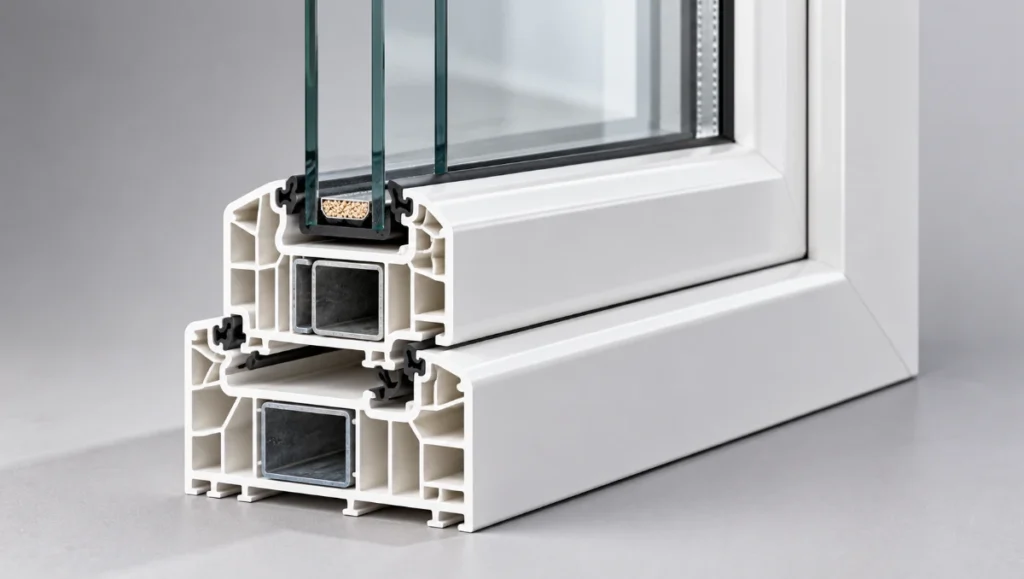
Many uPVC frames contain multiple internal chambers. Depending on the system, reinforcement may also be incorporated to meet structural requirements.
The completed window typically includes:
A uPVC frame and sash
Single, double or triple glazing, depending on the system and market
Weather seals and gaskets
Hinges, handles and locking hardware
Glazing spacers and perimeter seals
Drainage provisions
The quality of these components matters just as much as the frame material.
Types of uPVC Windows
uPVC windows are available in several opening styles, each suited to different rooms and architectural requirements.
1. uPVC Casement Windows
Casement windows are hinged at the side and open outward or inward, depending on the design.
They are commonly used in bedrooms, living rooms and kitchens.
Their main advantage is ventilation. An open casement sash can capture passing breezes, while suitable compression seals can provide effective closure.
Best for: Bedrooms, kitchens and rooms requiring regular ventilation.
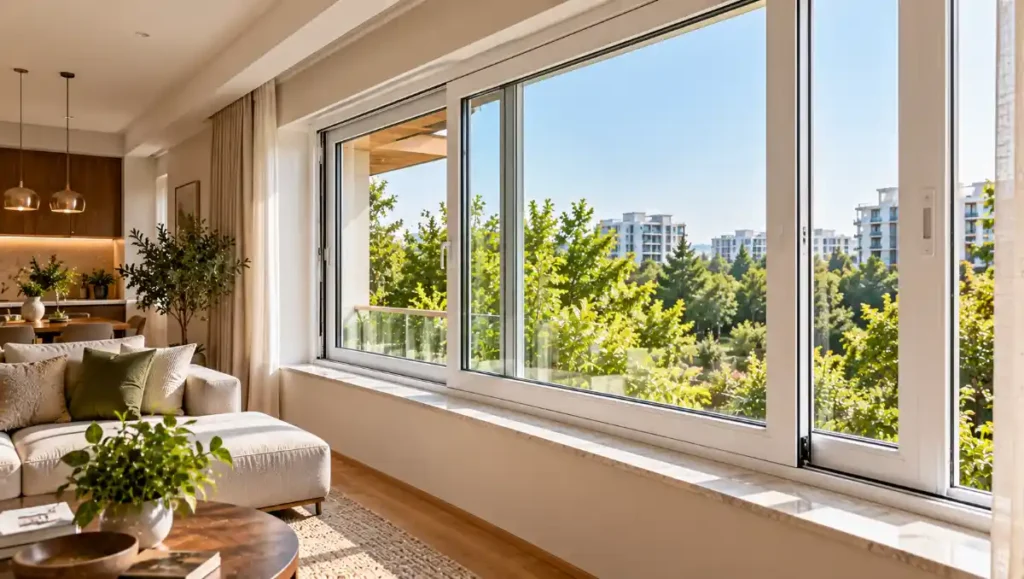
2. uPVC Sliding Windows
Sliding windows provide ventilation without requiring outward sash clearance.
Sliding windows move horizontally along tracks.
They are useful where an outward-opening sash would interfere with a balcony, walkway or another nearby element.
They can also provide a simple, contemporary appearance.
However, the opening area is generally limited by the sliding configuration, and tracks require periodic cleaning.
Best for: Apartments, compact spaces and balcony-facing rooms.
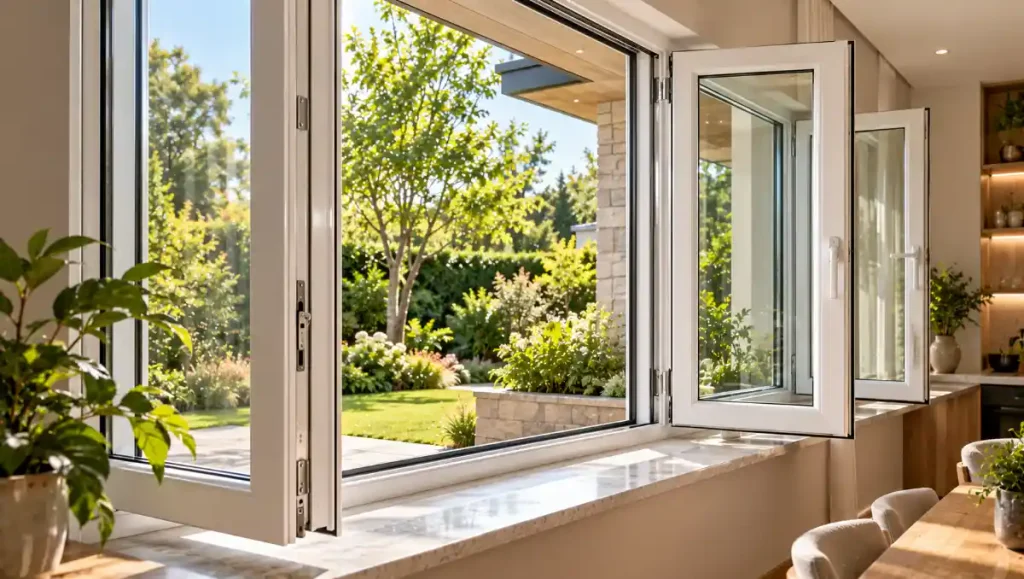
3. uPVC Tilt-and-Turn Windows
Tilt-and-turn windows offer different opening positions for ventilation and access.
Tilt-and-turn windows offer two opening modes.
The sash can tilt inward from the top for controlled ventilation or swing inward for a larger opening.
This flexibility makes them particularly popular in many European residential designs.
They require appropriate internal clearance and correctly specified hardware.
Best for: Contemporary homes seeking flexible ventilation and accessible cleaning.
4. uPVC Fixed Windows
Fixed windows do not open.
They are designed primarily for daylight and views.
Because they do not require operable sash hardware, they can be useful where ventilation is provided elsewhere.
Fixed windows should never be used as substitutes for required emergency escape or ventilation openings.
Best for: Staircases, feature walls and view-focused living spaces.
5. uPVC Awning Windows
Awning windows are hinged at the top and open outward from the bottom.
They are often selected for bathrooms, kitchens and high-level openings.
Their configuration may allow ventilation during some light-rain conditions, although actual weather protection depends on the window design and wind direction.
Best for: Bathrooms, kitchens and high-level ventilation.
6. uPVC Sash Windows
Vertical sliding sash windows are associated with traditional residential architecture, especially in the UK.
Modern uPVC versions can recreate familiar sash-window proportions while incorporating contemporary glazing and sealing systems.
They may be particularly attractive for period-style homes where appearance is important.
Best for: Traditional houses and renovation projects where permitted.
7. uPVC Bay and Bow Windows
Bay and bow windows project outward from the building facade.
They can create additional visual depth, bring daylight from multiple directions and form attractive seating areas.
Because these are more complex assemblies, structural support, weatherproofing and installation deserve particular attention.
Best for: Living rooms and traditional or transitional facades.
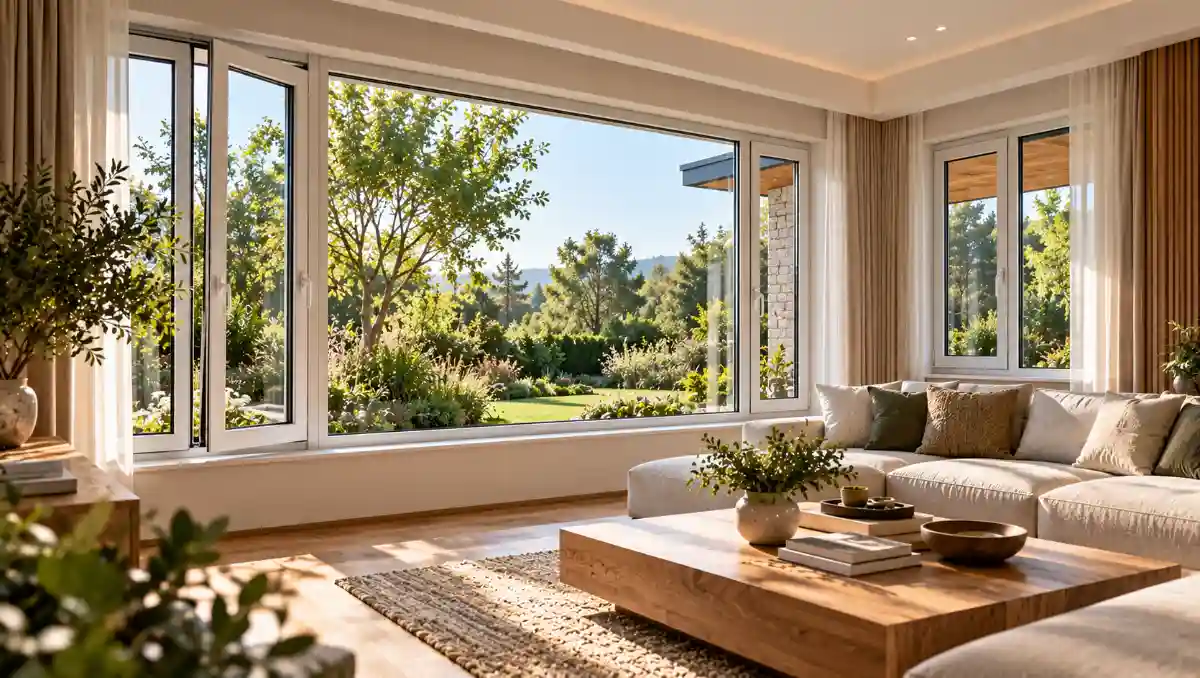
8. Combination uPVC Windows
A combination window incorporates fixed and operable sections within one coordinated design.
For example, a large fixed centre panel may be paired with casement windows on either side.
This approach can balance views, daylight and ventilation without making every glass panel operable.
Best for: Larger living rooms, modern facades and customized window arrangements.
Benefits of uPVC Windows
1. Good Thermal Insulation Potential
uPVC is less thermally conductive than aluminium.
Its frame construction can therefore contribute to reduced heat transfer through the window assembly.
However, this does not mean every uPVC window automatically outperforms every aluminium window.
Modern thermally broken aluminium systems can also achieve strong energy performance.
The most reliable comparison uses tested whole-window U-values or U-factors.
2. Relatively Low Maintenance
uPVC windows generally do not require the regular painting or refinishing associated with some timber frames.
Routine care typically involves cleaning the frames and glass, inspecting gaskets, clearing drainage channels and maintaining moving hardware.
This can make uPVC convenient for busy households.
3. Moisture Resistance
uPVC does not rot in the same way as untreated timber.
That makes it useful in locations exposed to rain and moisture, provided the window is properly designed and installed.
Nevertheless, weather seals, hardware and surrounding wall details still need maintenance.
4. Multiple Design Options
Modern uPVC windows are available in white, grey, black and various decorative finishes, including timber-effect surfaces.
Homeowners can select different frame proportions, glazing arrangements and opening mechanisms.
The available range varies by manufacturer and region.
5. Acoustic Comfort
A properly specified uPVC window assembly can help reduce unwanted outdoor noise.
But sound insulation depends heavily on glazing configuration, airtightness, seals and installation.
The frame material alone cannot guarantee acoustic performance.
For properties near traffic or other noise sources, request tested acoustic ratings for the complete window.
6. Compatibility With Efficient Glazing
Many modern uPVC systems can accommodate double or triple glazing.
Combining suitable glazing with well-designed frames and seals can improve comfort and energy performance.
Low-emissivity coatings, insulated glazing cavities and warm-edge spacers may provide additional benefits.
7. Potential Value for Money
uPVC is often competitively priced compared with premium timber or aluminium window systems.
This makes it an attractive option for homeowners who prioritize thermal performance, maintenance and overall value.
The actual price advantage depends on local suppliers, window dimensions, glazing and specifications.
Disadvantages of uPVC Windows
uPVC is not the ideal material for every project.
Frame Profiles Can Be Bulkier
Some uPVC systems require more visible frame material than certain slim-profile aluminium designs.
This can affect the appearance of very large contemporary glazing arrangements.
However, profile dimensions vary between manufacturers, so compare actual sightlines.
Expansion and Movement
Like other construction materials, uPVC expands and contracts with temperature changes.
High-quality systems account for this through appropriate profile design, reinforcement, fabrication and installation.
Poorly specified products may be more susceptible to alignment or operational problems.
Colour and Finish Quality Varies
Exterior exposure, ultraviolet radiation and temperature can affect some finishes over time.
The durability of coloured and laminated uPVC products depends on their formulation, surface technology and manufacturing quality.
Ask about weathering performance and finish warranties.
Very Large Openings Need Careful Engineering
uPVC can be used for substantial residential windows, but large dimensions may require reinforcement or different profile configurations.
For especially expansive glazed openings, aluminium or other engineered systems may offer practical advantages.
Repairs Are Not Always Simple
Hardware and gaskets may be replaceable, but damage to a profile, failed welded joint or badly distorted frame can be more difficult to repair.
Replacement options depend on the system and availability of compatible components.
How Energy Efficient Are uPVC Windows?
The frame’s internal construction contributes to its structural and thermal characteristics.
A uPVC frame can contribute to energy efficiency, but the whole window determines actual performance.
Important measurements include:
U-factor or U-value: Measures heat transfer through the window. Lower values generally indicate better insulation.
Solar Heat Gain Coefficient (SHGC): Describes how much solar radiation enters through the window. The ideal value depends on climate, orientation and shading.
Air leakage: Indicates how much unwanted air passes through the closed window assembly.
Visible transmittance: Indicates how much visible daylight passes through the glazing.
Do not choose a window solely because its brochure says “energy saving.” Look for independently tested whole-window ratings where available.
uPVC Double Glazing vs Triple Glazing
Double glazing uses two panes of glass separated by a sealed cavity.
Triple glazing uses three panes with two cavities.
Triple glazing can provide improved thermal insulation in suitable configurations, but it usually adds cost and weight.
In colder climates, this additional insulation may be particularly valuable.
In milder or cooling-dominated climates, the best decision may depend more on solar control, orientation and the complete window specification.
The Energy Saving Trust notes that double and triple glazing can both improve comfort and that the appropriate choice depends on the property and circumstances.
How Much Do uPVC Windows Cost?
There is no reliable single worldwide price for uPVC windows.
Costs vary across the UK, USA, Canada, Australia and Europe because of differences in manufacturing, labour, glazing requirements, installation and local regulations.
Example: UK Market
As a useful country-specific reference, the UK Energy Saving Trust estimates approximately £4,800 for a set of A-rated windows in a typical semi-detached house, although the figure is not specific to every uPVC configuration.
That is a UK benchmark, not a global quotation.
For your actual project, pricing will depend on the number and dimensions of windows, frame design, opening style, glazing, installation and other requirements.
What Affects uPVC Window Prices?
Cost factor
How it affects the price
Window dimensions
Larger windows generally require more material and glass
Opening style
Fixed windows are often simpler than tilt-and-turn or complex sash systems
Glazing
Higher-performance glazing generally costs more
Frame finish
Decorative and premium finishes may add cost
Security hardware
Enhanced locks and hardware can increase the price
Installation
Access, removal, flashing and wall repairs influence labour costs
Custom shapes
Arched, bay and unusual configurations may be more expensive
Always request itemized quotes rather than comparing only the headline price.
How Long Do uPVC Windows Last?
A well-manufactured and properly installed uPVC window can provide decades of service.
The Energy Saving Trust gives a broad 20–35-year lifespan for quality double-glazed windows, with longer service possible under favorable conditions and good maintenance.
That figure refers to complete double-glazed windows, not a guaranteed lifespan for every uPVC frame.
Actual service life depends on:
UV and weather exposure
Product formulation
Hardware quality
Installation
Glazing seal durability
Frequency of use
Cleaning and maintenance
A window may also need a replacement glazing unit or hardware repair before its frame reaches the end of its useful life.
uPVC Windows vs Aluminium Windows
This is one of the most common questions homeowners ask.
uPVC generally offers good frame insulation potential and competitive pricing.
Aluminium offers strength, design flexibility and the possibility of slim architectural profiles.
Modern thermally broken aluminium can also provide strong thermal performance.
Neither material wins in every category.
For a detailed material-by-material comparison, see our Aluminium vs uPVC Windows guide, which covers cost, durability, energy efficiency, design and maintenance.
Are uPVC Windows Good for Hot Climates?
Yes, uPVC windows can be appropriate for hot climates when the full window assembly is specified correctly.
But the frame material is only one factor.
In hot and sunny locations, solar radiation through the glass can contribute substantially to indoor overheating.
A well-insulated frame cannot compensate for an oversized, unshaded window with inappropriate glazing.
Are uPVC Windows Good for Cold Climates?
uPVC can also be a suitable choice for cold climates.
Its relatively low thermal conductivity is useful when indoor and outdoor temperatures differ significantly.
However, cold-climate performance depends on the glazing, frame construction, air leakage, installation and whole-window U-value.
In regions with severe winters, high-performance double or triple glazing may be appropriate.
Local energy standards should guide the final specification.
Are uPVC Windows Environmentally Friendly?
This question requires a balanced answer.
uPVC is a plastic-based construction material, and its production involves resource use and environmental impacts.
However, durable uPVC window systems can provide long service lives and contribute to reducing heating or cooling demand when correctly specified.
PVC window profiles can also be recycled where suitable collection and processing systems exist.
The environmental assessment should consider manufacturing, service life, maintenance, operational energy, replacement frequency and end-of-life treatment.
No single window material is automatically the most sustainable in every situation.
How to Choose the Best uPVC Windows
Before buying, evaluate the complete product.
1. Check the Frame System
Ask about profile depth, chamber design, reinforcement and manufacturer specifications.
Chamber count alone is not a reliable measure of quality.
2. Compare Whole-Window Ratings
Request tested U-values, air leakage information and other relevant performance data.
3. Choose Appropriate Glazing
Select glazing according to climate, noise, safety, daylight and solar exposure.
4. Inspect the Hardware
Good hinges, handles, locking systems and rollers contribute to reliable everyday operation.
5. Consider Window Orientation
A window receiving intense afternoon sunlight may need different glazing or shading from one that remains sheltered.
6. Check Installation Details
Ask how the installer will handle flashing, drainage, air sealing, perimeter insulation and weather protection.
7. Review the Warranty
Confirm what is covered for the profile, glazing, seals, hardware, colour finish and installation.
8. Compare Multiple Quotations
Ask suppliers to quote against the same specifications so the comparison is meaningful.
Common Mistakes When Buying uPVC Windows
Choosing the cheapest quote without comparing specifications. Two windows that look similar may differ substantially in glazing, reinforcement, hardware and tested performance.
Assuming all double glazing is identical. Glass coatings, cavity widths, spacers and gas fills affect performance.
Ignoring ventilation. A well-sealed window still needs to be part of an appropriate ventilation strategy for the home.
Overlooking safety and escape requirements. Bedrooms and other rooms may have specific requirements for emergency escape, depending on local codes.
Neglecting installation. Poor perimeter detailing can undermine a high-quality window.
Buying on colour alone. Appearance matters, but it should not outweigh performance and durability.
Are uPVC Windows Worth It?
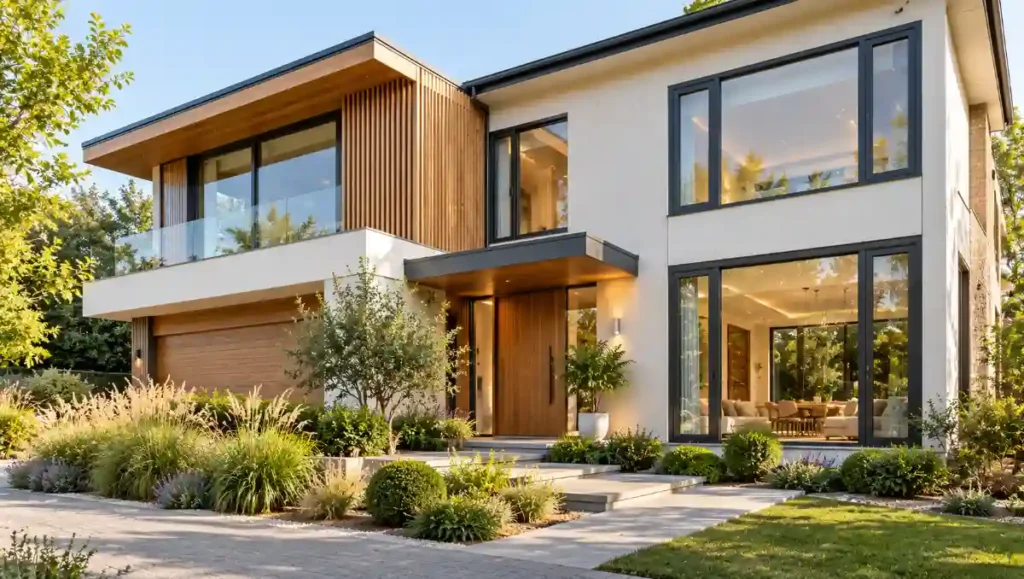
Modern uPVC frame finishes can complement contemporary residential architecture.
For many homeowners, uPVC windows are worth considering because they offer a practical balance of insulation, maintenance, design flexibility and cost.
They can be particularly attractive for standard residential openings, renovations and projects where good thermal performance is a priority.
However, aluminium may be preferable for certain large architectural openings, while timber may be more suitable for some heritage properties or projects emphasizing natural materials.
The best decision depends on the specific products available, not simply the frame material.
If you are comparing quotations, prioritize verified whole-window performance, reliable fabrication, suitable glazing and professional installation.
Final Thoughts
uPVC windows can be an effective choice for both new homes and renovation projects.
They offer a variety of opening styles, generally straightforward maintenance and strong potential for thermal comfort.
But choosing the right window involves more than selecting a uPVC frame.
Casement, sliding, tilt-and-turn, sash and fixed windows all serve different purposes. Glazing specifications influence insulation and solar control, while hardware and installation affect long-term reliability.
A well-selected uPVC window should complement the home’s architecture, respond to its climate and meet the practical needs of the people living there.
The best uPVC window is not necessarily the cheapest or the one with the most chambers. It is the complete system that delivers the right combination of performance, durability, comfort and value for your home.
Frequently Asked Questions
Are uPVC windows better than aluminium windows?
Not universally. uPVC generally offers good thermal insulation potential and competitive pricing, while aluminium can provide slim profiles and suitability for large openings. Compare specific systems rather than material names alone.
What is the average lifespan of uPVC windows?
Quality uPVC window assemblies can last for decades. Actual lifespan depends on product quality, exposure, installation and maintenance. Glazing units and hardware may require attention sooner.
Are uPVC windows expensive?
uPVC is often competitively priced compared with premium aluminium or timber systems, but costs depend on country, size, glazing, style and installation.
Do uPVC windows need maintenance?
Yes. Frames, drainage channels, gaskets, hinges and locking mechanisms should be cleaned or maintained as recommended by the manufacturer.
Can uPVC windows have triple glazing?
Many modern uPVC systems can accommodate triple glazing, but glazing capacity depends on the specific profile and hardware.
Are uPVC windows suitable for modern homes?
Yes. Contemporary uPVC windows are available in several opening styles and finishes. The best choice depends on facade design, window proportions and performance requirements.
Can uPVC windows reduce outside noise?
An appropriately designed window assembly can reduce noise transmission. Acoustic performance depends mainly on the complete glazing, sealing and installation specification.