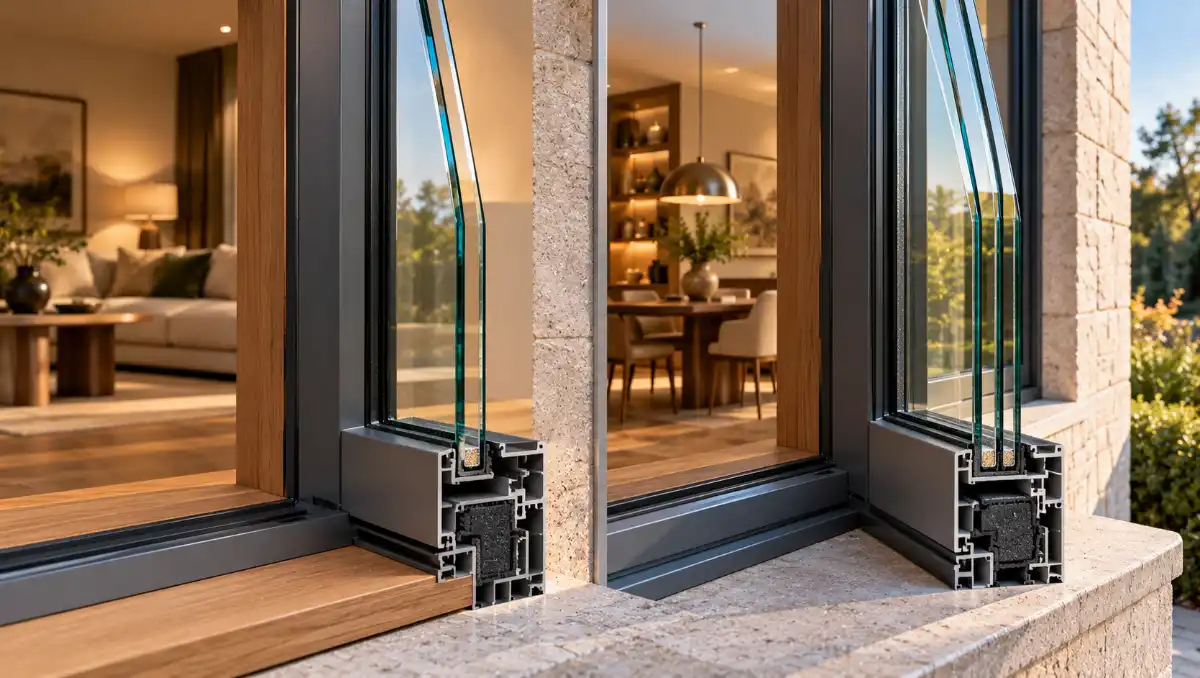
Choosing the right windows can make a noticeable difference to your home’s comfort, energy efficiency and long-term running costs. But when comparing double glazed vs triple glazed windows, is adding a third pane of glass always worth the investment?
The answer depends on where you live, how well your home is insulated, your budget and the performance of the complete window.
Double glazing is often the best balance of cost and performance for moderate climates, while triple glazing can provide better thermal insulation and improved comfort in colder regions. However, a well-designed double-glazed window can outperform a poorly specified triple-glazed product.
In this guide, we compare double and triple glazing across insulation, energy efficiency, noise reduction, condensation, cost, durability and climate suitability to help you make an informed choice.
What Is Double Glazing?
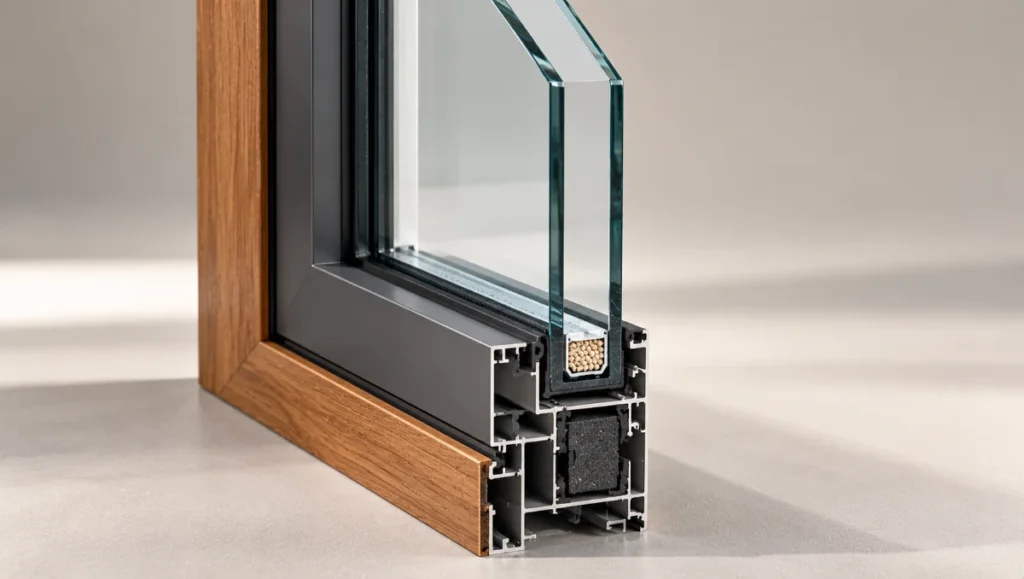
Cutaway of double glazing showing two panes separated by one sealed insulating cavity.
Double glazing uses two panes of glass separated by a sealed cavity.
The space between the panes contains dry air or an insulating gas, commonly argon. The sealed gap reduces heat transfer compared with a conventional single-pane window.
A typical double-glazed insulated glass unit (IGU) includes:
An outer glass pane
A sealed cavity containing air or insulating gas
An inner glass pane
A perimeter spacer and seal system
Modern double-glazed windows may also feature low-emissivity (low-E) coatings, warm-edge spacers and thermally efficient frames.
These components affect performance just as much as the number of panes.
Benefits of Double Glazing
Double glazing offers several practical advantages:
Better thermal insulation than conventional single glazing
Improved comfort near windows
Reduced likelihood of condensation on interior glass surfaces
Potential energy savings when replacing inefficient windows
Broad availability across window types and frame materials
Lower initial cost than comparable triple glazing
For many residential renovations, high-performance double glazing is a sensible starting point.
What Is Triple Glazing?
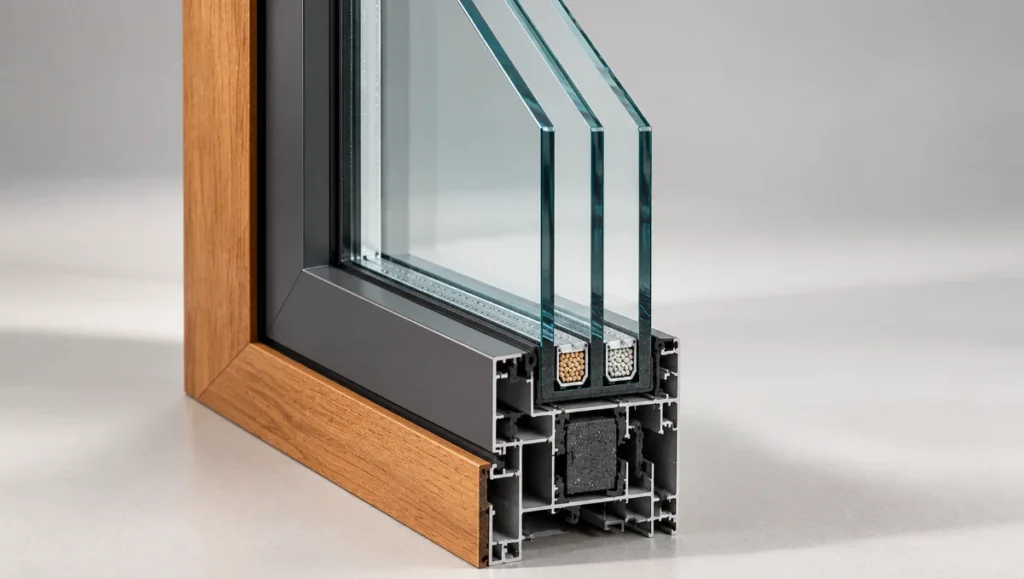
Triple glazing introduces a third pane and a second insulating cavity.
Triple glazing uses three panes of glass separated by two sealed cavities.
These cavities can contain air, argon or another insulating gas, depending on the product.
The additional pane and cavity help reduce heat transfer through the glazing assembly.
A typical triple-glazed unit includes:
Three glass panes
Two sealed insulating cavities
Spacer and perimeter seal systems
Optional low-E coatings and insulating gas fills
Triple glazing is particularly attractive in cold climates, highly insulated buildings and projects where thermal comfort is a major priority.
Benefits of Triple Glazing
Compared with an otherwise similar double-glazed unit, triple glazing can provide:
Lower thermal transmittance
Warmer interior glass surfaces during cold weather
Better resistance to heat loss
Reduced risk of interior surface condensation
Potential acoustic improvements when properly specified
However, the additional glass increases weight and can raise manufacturing, transportation and installation costs.
Double Glazed vs Triple Glazed Windows: Quick Comparison
Feature
Double glazing
Triple glazing
Number of glass panes
2
3
Insulating cavities
1
2
Thermal insulation
Good to excellent
Generally higher
Initial cost
Usually lower
Usually higher
Weight
Lower
Higher
Noise reduction
Depends on glass specification
May improve with suitable design
Interior glass temperature in winter
Warmer than single glazing
Often warmer than double glazing
Solar heat gain
Depends on glass and coatings
Depends on glass and coatings
Daylight transmission
Often higher for comparable glass
May be slightly lower
Frame requirements
Widely compatible
Requires suitable profiles and hardware
Best application
Many moderate and mixed climates
Cold climates and high-performance buildings
Important: These are general tendencies, not guaranteed results. Always compare tested specifications for the complete window.
1. Thermal Insulation: Which Performs Better?
Thermal insulation is the biggest difference between double and triple glazing.
Windows transfer heat through the glass, gas cavities, spacers and frames.
Adding a third pane creates another insulating cavity, which can reduce the amount of heat moving through the window.
Understanding Window U-Values
The U-value measures how readily heat passes through a building component.
A lower U-value means better insulation.
In many countries, U-values are expressed in W/m²K. In the United States, U-factors are commonly reported in Btu/(h·ft²·°F), so the numbers cannot be compared directly without converting units.
Natural Resources Canada notes that better-performing double-glazed windows can achieve whole-window U-factors of approximately 1.2 W/m²K or lower, while triple-glazed windows can reach approximately 0.8 W/m²K.
These are examples of achievable performance, not universal ratings for every product.
A premium double-glazed unit with effective low-E coatings, argon filling and an insulated frame may outperform a basic triple-glazed window with inefficient framing.
Which Wins?
Triple glazing generally offers better insulation when comparing similarly designed windows.
But the whole-window U-value matters more than pane count alone.
2. Energy Efficiency: Will Triple Glazing Save More Energy?
Triple glazing can reduce heat loss, particularly in homes that require substantial winter heating.
However, lower heat loss does not automatically translate into proportionally lower energy bills.
Actual savings depend on:
Local climate
Window area and orientation
Existing window performance
Building insulation and airtightness
Heating and cooling systems
Indoor temperature settings
Solar heat gain
Energy prices
For example, a poorly insulated house with significant air leakage may benefit more from addressing those problems before investing in premium triple glazing.
In a highly insulated home in a cold region, triple glazing may provide a more meaningful improvement.
Triple glazing has greater potential to reduce heat loss, but the most cost-effective option depends on the building and climate.
3. Double vs Triple Glazing for Hot Climates
Solar-control glazing and exterior shading can reduce unwanted heat gain.
In hot climates, limiting unwanted solar heat gain can be as important as reducing conductive heat transfer.
This is where the solar heat gain coefficient (SHGC) becomes important.
SHGC indicates how much solar energy passes through a window. A lower SHGC means less solar heat enters the building.
A double-glazed window with an appropriate solar-control low-E coating and exterior shading may perform very well in a cooling-dominated climate.
Triple glazing can also be specified for hot climates, but the extra pane is not necessarily the most cost-effective way to improve performance.
Window orientation, shading, airtightness and glass coatings can have a greater influence on cooling demand.
Which Wins?
High-performance double glazing is often a practical choice for hot climates, provided it has an appropriate SHGC and frame specification.
Triple glazing may still be worthwhile where exceptional insulation is required.
4. Double vs Triple Glazing for Cold Climates
Highly insulating windows can improve comfort beside glazing in cold weather.
Cold climates place greater emphasis on reducing heat loss.
Triple glazing can help maintain warmer interior glass surfaces, improving comfort near windows during winter.
This can be particularly valuable in homes with large glazed areas or in regions with prolonged freezing temperatures.
It may also reduce the likelihood of condensation forming on the interior glass surface.
However, colder regions can benefit from winter solar gain, so selecting the correct SHGC is still important.
Which Wins?
Triple glazing is often the stronger option for very cold climates, particularly in high-performance homes.
5. Noise Reduction: Is Triple Glazing Quieter?
Many homeowners assume that three panes must always block more noise than two.
In practice, acoustic performance is more complicated.
Sound insulation depends on glass thickness, the difference between pane thicknesses, cavity dimensions, laminated interlayers, frame construction and installation quality.
A double-glazed unit with carefully selected acoustic laminated glass may outperform a standard triple-glazed unit for certain noise frequencies.
Triple glazing can offer acoustic benefits, but the additional pane alone does not guarantee a quieter room.
What to Check
Ask suppliers for tested acoustic ratings, such as:
STC or OITC ratings where applicable
Rw or Rw + Ctr ratings where applicable
Full-window test results rather than glass-only claims
For homes near busy roads, railways or airports, acoustic specifications should be evaluated separately from thermal performance.
Which Wins?
Neither system automatically wins. A properly engineered acoustic glazing assembly matters more than the pane count.
6. Condensation: Which Is Better?
Condensation forms when a surface becomes cold enough for moisture in the surrounding air to condense on it.
Because triple glazing can keep the room-facing glass surface warmer in cold weather, it may reduce interior surface condensation compared with double glazing.
However, condensation can also occur around frames, spacers and poorly insulated installation details.
Indoor humidity and ventilation also influence the result.
Triple glazing cannot compensate for persistently high indoor moisture levels or inadequate ventilation.
Which Wins?
Triple glazing generally offers an advantage in cold weather, but proper ventilation and thermal detailing remain essential.
7. Cost: Is Triple Glazing Worth the Extra Money?
Triple-glazed windows usually cost more than comparable double-glazed windows.
The price difference reflects additional glass, more complex insulated units, greater weight and sometimes more demanding frame and hardware requirements.
However, there is no reliable universal price premium.
Costs vary considerably by country, supplier, window dimensions, frame material, opening style and performance specification.
What Determines the Price?
The main factors include:
Window dimensions and quantity
uPVC, timber, aluminium or composite frames
Low-E coatings and gas fills
Laminated or toughened safety glass
Opening mechanisms
Installation complexity
Local labor and transport costs
Is the Upgrade Financially Worthwhile?
Compare the additional installed cost against the expected annual heating and cooling savings.
For example, if triple glazing costs an additional $2,000 and is estimated to save $80 annually, the simple payback would be 25 years.
This is only an illustrative calculation, not a predicted saving.
It excludes changes in energy prices, financing, maintenance and other benefits such as improved comfort.
Which Wins?
Double glazing usually wins on upfront affordability.
Triple glazing may offer better long-term value where heating demand is high or exceptional comfort is a priority.
8. Window Weight and Frame Requirements
Triple-glazed insulated glass units are generally heavier than equivalent double-glazed units.
That extra weight matters when selecting frames, hinges, opening mechanisms and installation methods.
Large triple-glazed windows may require reinforced profiles or specialized hardware.
For existing buildings, the installer should assess whether the proposed system is compatible with the structure and opening dimensions.
This is especially important for large sliding doors, oversized casement windows and replacement projects.
Which Wins?
Double glazing generally offers greater flexibility where weight and existing-frame compatibility are concerns.
9. Daylight and Natural Light
Adding another pane of glass can slightly reduce visible light transmission, depending on the glass and coatings selected.
However, not all triple-glazed windows appear noticeably darker.
Modern glazing can be engineered to balance daylight transmission with thermal performance.
When comparing products, look for visible transmittance (VT or VLT) ratings.
A higher rating generally indicates that more visible light passes through the window.
The best value depends on the room, climate, glare exposure and desired daylight levels.
Which Wins?
Double glazing may transmit more daylight when other specifications are similar, but actual product ratings should guide the decision.
10. Durability, Maintenance and Service Life
Both double and triple glazing rely on properly manufactured insulated glass units and durable perimeter seals.
If an insulated glass unit loses its seal, moisture may enter the cavity, causing fogging or condensation between panes.
Triple glazing has a more complex construction, but that does not automatically mean it will fail sooner.
Service life depends on manufacturing quality, installation, environmental exposure and maintenance.
For either option, ask about:
Insulated glass unit warranties
Frame and hardware warranties
Replacement glass availability
Installation workmanship
Maintenance requirements
Which Wins?
Neither glazing type has a guaranteed durability advantage. Product quality and installation are more important.
Double Glazing vs Triple Glazing: Which Is Better for Different Homes?
Home or climate
Often suitable choice
Reason
Mild coastal climate
High-performance double glazing
Good balance of cost and insulation
Hot, sunny climate
Solar-control double glazing
SHGC and shading are key priorities
Mixed heating and cooling climate
Depends on whole-window ratings
Both insulation and solar control matter
Very cold climate
Triple glazing
Lower heat loss and warmer interior surfaces
Highly insulated new home
Triple glazing may be advantageous
Complements a high-performance building envelope
Budget-conscious renovation
Double glazing
Lower upfront investment
Home near heavy traffic
Acoustically specified glazing
Noise control requires tested acoustic design
Large sliding doors
Depends on system engineering
Weight, hardware and structural limits matter
How Do Frame Materials Affect Glazing Performance?
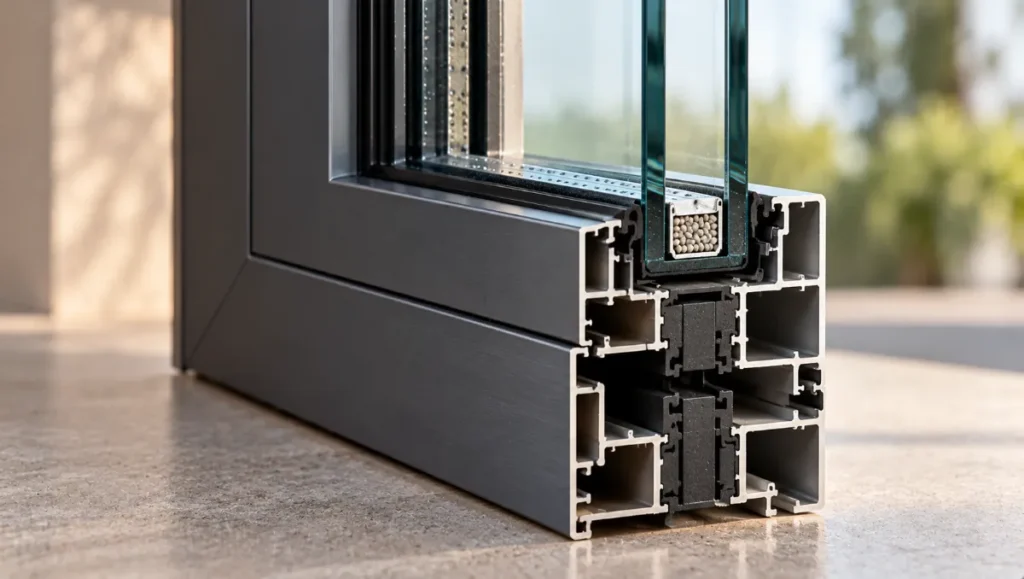
Frame construction and thermal breaks contribute to overall window insulation.
The glass unit is only one part of the window.
Frames and spacers can significantly influence thermal performance.
uPVC Frames
uPVC frames can provide good insulation and are commonly used with double and triple glazing.
Their performance depends on profile design, reinforcement and installation.
Aluminium Frames
Aluminium is strong and suitable for slim profiles and larger openings.
However, aluminium conducts heat readily, so thermally broken profiles are important for energy-efficient windows.
Timber offers good natural insulation and a traditional appearance.
It requires appropriate finishing and maintenance to withstand moisture and weather exposure.
Composite Frames
Composite systems combine materials to balance strength, insulation, durability and appearance.
Whatever material you choose, compare the performance of the complete window assembly.
What Should You Check Before Buying?
Correct installation is essential to achieving the specified window performance.
Before choosing double or triple glazing, request a written specification for each proposed window.
1. Whole-Window U-Value
Choose a lower value when reducing heat loss is a priority.
Make sure you are comparing the same measurement units.
2. Solar Heat Gain Coefficient
Choose a suitable SHGC for your climate, orientation and shading strategy.
3. Visible Transmittance
Check how much daylight the window admits.
4. Frame Performance
Look for insulated profiles, appropriate thermal breaks and reliable weather seals.
5. Glass Safety
Confirm whether toughened, laminated or other safety glazing is required by local building regulations.
6. Acoustic Performance
If noise is a concern, request a tested acoustic rating for the complete window.
7. Installation Quality
Even an excellent window can underperform if poorly installed.
Proper sealing, flashing, drainage and airtightness are essential.
8. Warranty and Service Support
Check the warranty terms for the glazing unit, frame, hardware and installation.
Can You Replace Double Glazing With Triple Glazing?
Sometimes, but not always.
The existing frame must have enough space to accommodate the thicker insulated glass unit.
It must also be able to support the additional weight safely.
Some window systems allow different glazing configurations, while others require complete frame replacement.
A qualified window specialist should inspect the existing system before recommending an upgrade.
For older windows, replacing the complete assembly may offer better airtightness and thermal performance than changing the glass alone.
Common Mistakes When Choosing Double or Triple Glazing
Assuming More Panes Always Mean Better Windows
A poor-quality triple-glazed window can perform worse than a premium double-glazed alternative.
Ignoring Solar Heat Gain
In sunny climates, inappropriate glazing can increase cooling demand.
Comparing Glass-Only U-Values
The center-of-glass U-value does not represent the performance of the complete installed window.
Overlooking Installation
Air leakage and poor perimeter sealing can undermine the benefits of either system.
Paying Extra Without Calculating the Benefit
The most expensive option is not automatically the best investment.
Choosing Glazing Without Considering Frames
A highly insulating glass unit installed in an inefficient frame may not deliver the expected whole-window performance.
Final Verdict: Double Glazed or Triple Glazed Windows?
For most homeowners, the decision comes down to climate, budget and performance requirements.
Choose double glazing if you live in a mild or moderate climate, want reliable insulation at a reasonable cost, or are upgrading from older single-glazed windows.
Choose triple glazing if you live in a very cold climate, are building a highly insulated home, have large areas of glazing or prioritize maximum thermal comfort.
For hot climates, do not assume that triple glazing is automatically better. Solar-control coatings, shading and the right SHGC may be more important than adding another pane.
Ultimately, the best window is the one with the right combination of whole-window U-value, SHGC, airtightness, frame quality, safety and installation for your home.
The smartest comparison is not simply double glazing versus triple glazing. It is one complete window specification versus another.
Frequently Asked Questions
Is triple glazing better than double glazing?
Triple glazing generally provides better thermal insulation when comparing similar window systems, but the best choice depends on climate, cost and complete-window performance.
Is triple glazing worth the extra cost?
It can be worthwhile in very cold climates or highly insulated homes. In milder regions, the additional energy savings may not justify the higher initial cost.
Does triple glazing reduce noise more than double glazing?
Not necessarily. Glass thickness, cavity dimensions, acoustic laminates and frame seals determine noise reduction.
Is double glazing enough for a cold climate?
High-performance double glazing can work in many cold climates, but triple glazing may improve comfort and reduce heat loss further.
Is triple glazing better for hot weather?
Not automatically. Solar heat gain control, low-E coatings, shading and window orientation are critical in hot climates.
Are triple-glazed windows heavier?
Yes. An additional glass pane generally increases the weight of the insulated glazing unit.
Can triple glazing prevent condensation?
It can reduce the likelihood of interior surface condensation in cold weather, but indoor humidity, ventilation and frame design still matter.
Do triple-glazed windows last longer?
Not necessarily. Longevity depends on manufacturing quality, seals, frames, installation and maintenance.
What is the main disadvantage of triple glazing?
The main disadvantages are higher upfront cost, greater weight and the possibility of diminishing financial returns in milder climates.
Should I choose double or triple glazing for a new home?
Compare climate-appropriate whole-window ratings and expected energy performance. Triple glazing may be attractive for a high-performance home, while double glazing can provide excellent value in many other situations.