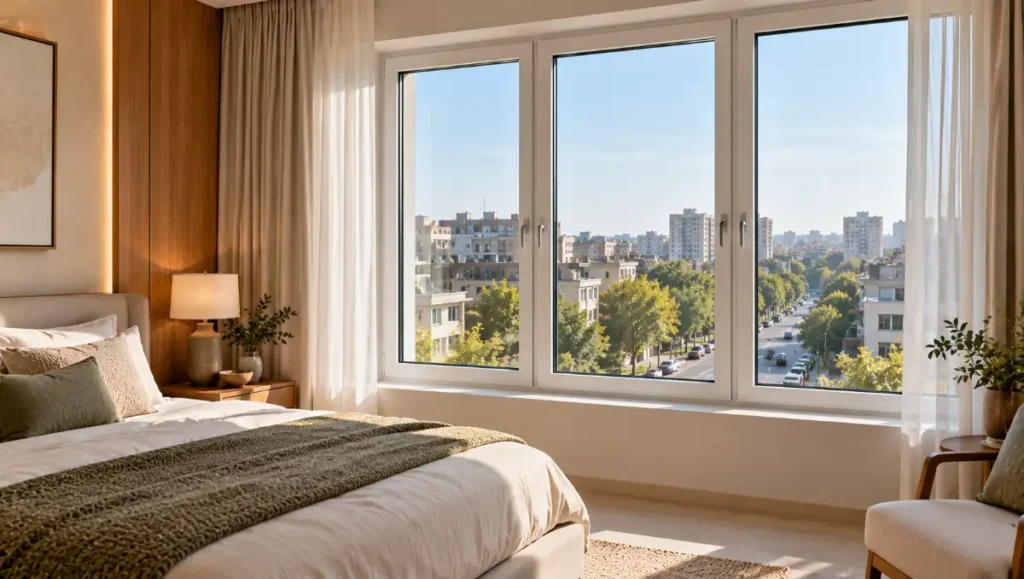
Modern windows and doors have to do more than look good. Their frame design, glazing capacity, weather resistance and thermal characteristics can directly influence the comfort and architectural character of a home.
The Deceuninck Legend Art system is designed around that combination of appearance and performance.
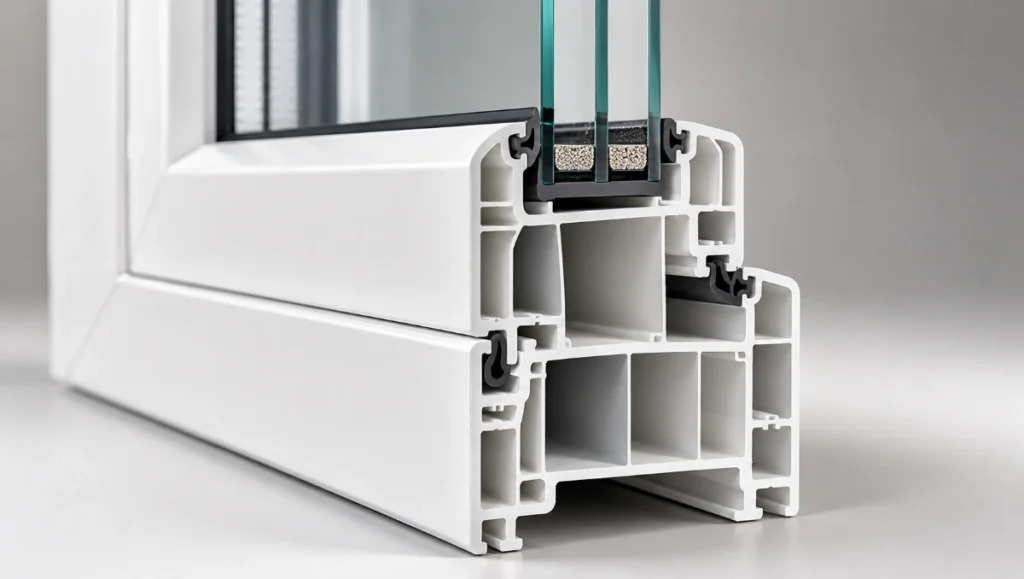
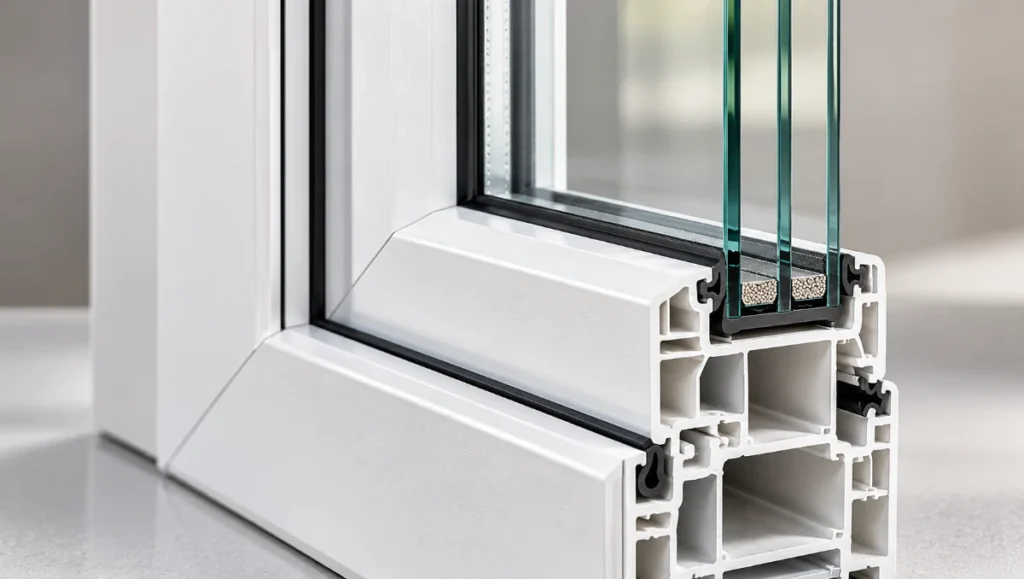
Legend Art is a 70 mm uPVC door and window system with a five-chamber profile design, multiple glazing-thickness options and a range of finishes intended to suit different architectural styles.
For homeowners, architects and designers considering modern uPVC fenestration, here is what the Legend Art system offers—and what its technical specifications actually mean.
What Is Deceuninck Legend Art?
Legend Art is part of Deceuninck’s range of uPVC window and door solutions.
According to Deceuninck’s official product information, the system combines a modern, relatively simple visual language with thermal and acoustic performance.
Its technical configuration includes a 70 mm profile, five chambers and glazing options ranging from relatively thin glass configurations through to substantially thicker insulated glazing assemblies.
That makes Legend Art relevant to projects where homeowners want the practical characteristics of uPVC without treating windows and doors as purely functional components.
Legend Art Specifications at a Glance
According to Deceuninck’s official Legend Art technical literature:
Specification
Legend Art
Profile system
70 mm
Profile design
5 chambers
Gasket
Co-extruded TPE grey/black
Glazing options
6, 8, 10, 24, 30, 36, 44 and 58 mm
Frame Uf
1.1–1.5 W/m²K
Air permeability
Up to Class 4 under BS EN 12207
Water tightness
Up to Class 9A under BS EN 12208
Finishes
White plus solid and wood-effect finishes
These figures should be read as system specifications, not a guarantee that every completed window or door will achieve identical whole-unit performance.
Actual performance can depend on dimensions, glazing, reinforcement, hardware, fabrication and installation.
1. 70 mm Profile System
One of Legend Art’s defining characteristics is its 70 mm profile width.
Profile depth matters because the frame is not merely decorative—it houses chambers, reinforcement where required, seals and glazing.
A 70 mm system provides room for the multi-chamber construction while maintaining proportions suitable for residential windows and doors.
However, profile depth alone should never be used to judge whether one window is better than another.
The complete system matters.
2. Five-Chamber Profile Design
Legend Art uses a five-chamber profile.
Instead of the frame being a single hollow section, internal partitions divide the uPVC profile into separate chambers.
Multi-chamber profile construction forms part of the thermal and structural design of a uPVC window system.
These chambers form part of the frame’s thermal design and structural configuration.
Deceuninck lists thermal insulation as one of the main performance characteristics of Legend Art.
For homeowners comparing products, it is important not to use chamber count as the only performance metric. Frame geometry, reinforcement, seals, glazing and manufacturing quality all contribute to the finished window.
3. Thermal Performance
Thermal performance is particularly important for windows and doors because they interrupt the insulated wall assembly.
Deceuninck states a Uf value of 1.1–1.5 W/m²K for the Legend Art system.
The distinction between Uf and Uw is important.
Uf generally refers to thermal transmittance through the frame, while Uw refers to the thermal performance of the complete window.
The final window performance therefore depends on more than the profile.
Glass specification, spacer design, frame-to-glass ratio, window dimensions and installation can all affect the finished unit.
If energy efficiency is your priority, compare complete-window performance rather than choosing a system based on one frame specification.
4. Wide Range of Glazing Options
Glazing specification should be selected alongside the frame to meet the home’s thermal, acoustic and safety requirements.
One particularly useful characteristic of the Legend Art system is its glazing flexibility.
Deceuninck lists glass thickness options of:
6 mm, 8 mm, 10 mm, 24 mm, 30 mm, 36 mm, 44 mm and 58 mm.
That does not mean every project should simply select the thickest option.
Glazing should be specified according to the requirements of the building.
Those requirements may include:
Thermal performance
Acoustic performance
Safety
Solar control
Security
Window dimensions
Local regulations
The frame and glass need to function as one system.
5. Acoustic Comfort
Acoustic comfort depends on the complete window assembly, including glazing, seals, frame construction and installation.
Noise can become an important consideration in urban homes, apartments and properties close to busy roads.
Deceuninck identifies acoustic insulation as one of the intended performance characteristics of Legend Art, with the PVC profile and multi-compartment construction forming part of the system.
But homeowners should be careful about interpreting the phrase “sound insulation.”
The acoustic performance of an installed window depends heavily on the complete assembly.
Glass composition, pane thickness, air spaces, seals, installation and surrounding wall construction can all influence how much external noise reaches the room.
If acoustic performance is critical, ask for relevant test data for the exact proposed window configuration.
6. Air Permeability
Uncontrolled air leakage can affect comfort as well as building performance.
According to Deceuninck’s Legend Art brochure, the system is rated for air permeability up to Class 4 under BS EN 12207.
That specification gives designers another performance characteristic to evaluate beyond appearance.
It is still important that the window is fabricated and installed correctly. Even a well-designed profile system cannot compensate for poor installation around the window opening.
7. Water Tightness
Windows and doors form some of the most exposed parts of a facade.
Rain combined with wind can place significant pressure on frames, seals and interfaces between windows and surrounding walls.
Deceuninck lists water tightness of up to Class 9A under BS EN 12208 for Legend Art.
As with other test classifications, homeowners should confirm which configuration has been tested and whether it corresponds with their proposed installation.
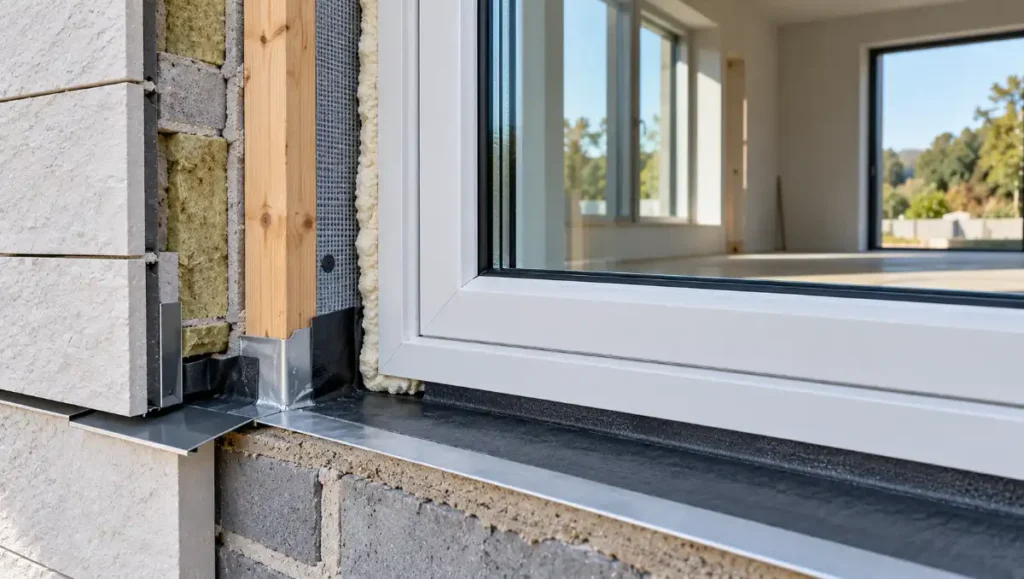
Drainage and flashing around the window remain important parts of the complete facade design.
8. Designed for Modern Architecture
Technical performance is only part of the appeal.
Legend Art is positioned as a system combining performance with a modern, simple aesthetic.
This matters because windows have a surprisingly large influence on architectural character.
Frame proportions, mullions, opening configurations and colors all affect how a facade is perceived.
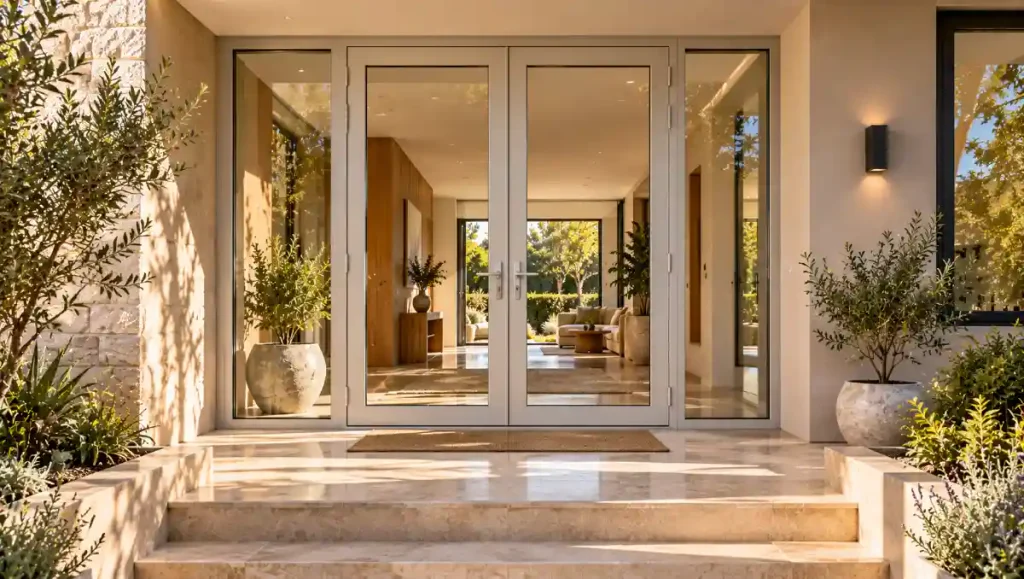
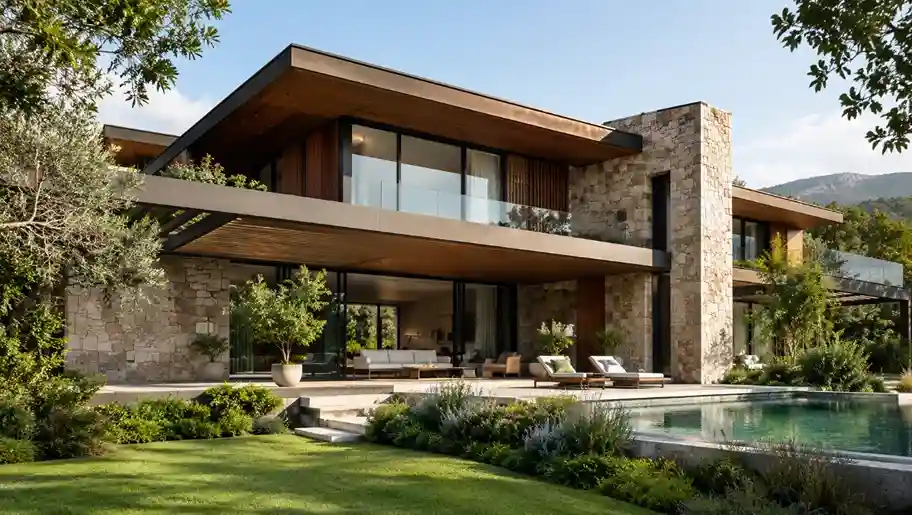
A contemporary house might combine restrained uPVC frames with render, brick, stone or other cladding rather than treating windows as separate decorative features.
The objective should be visual integration.
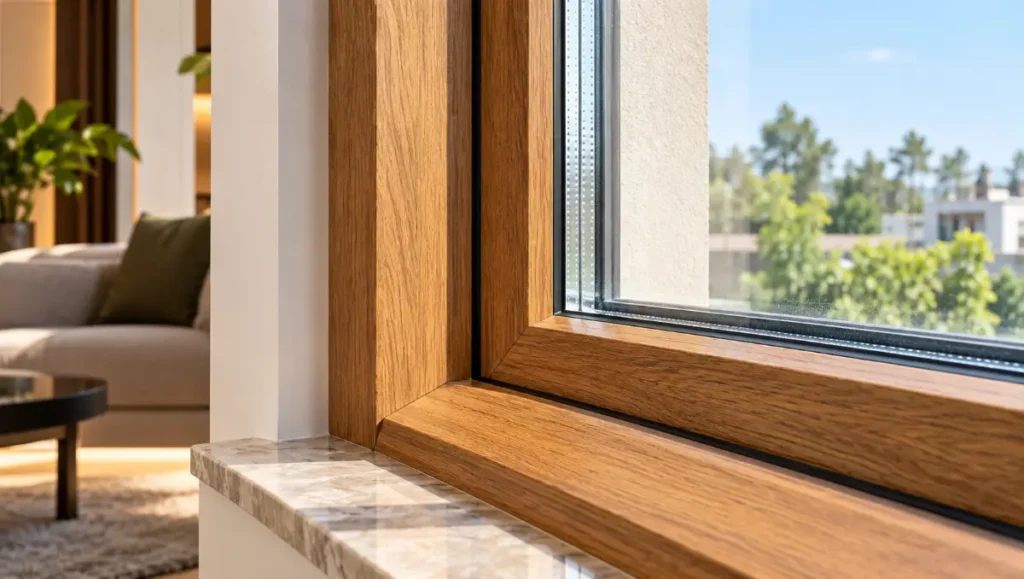
9. Multiple Color and Wood-Look Finishes
Wood-inspired finishes can introduce warmth while retaining the construction characteristics of a uPVC profile system.
White uPVC remains familiar, but contemporary homes increasingly use darker frames and wood-inspired finishes to coordinate windows with the rest of the facade.
Legend Art is offered in white as well as a selection of solid and wood-effect finishes.
A dark grey frame, for example, can complement modern render or stone.
A timber-inspired finish can provide a warmer appearance where natural materials form part of the design concept.
Color selection should consider more than current trends. Exterior exposure, surrounding materials and the long-term architectural palette all matter.
10. uPVC and Maintenance
One reason homeowners consider uPVC is its relatively straightforward maintenance compared with some materials requiring periodic refinishing.
Routine maintenance still matters.
Tracks, drainage channels, hardware, gaskets and glass should be kept clean and inspected periodically.
Moving components may also require maintenance according to the hardware manufacturer’s instructions.
A “low-maintenance” window should not be interpreted as a window that never requires attention.
Legend Art and Sustainable Building Design
Windows can influence building energy use through heat transfer, solar gain, air leakage and daylight.
That makes fenestration an important part of sustainable residential design.
Deceuninck positions insulation and recyclability as important elements of its wider approach to PVC window and door products.
However, sustainability should be assessed at the whole-building and whole-product level, rather than assuming that one frame material automatically makes a home sustainable.
Long service life, suitable glazing, installation quality, repairability, recycling infrastructure and the effect of the window on heating and cooling requirements all deserve consideration.
Where Can Legend Art Work Best?
The system can potentially suit several residential applications.
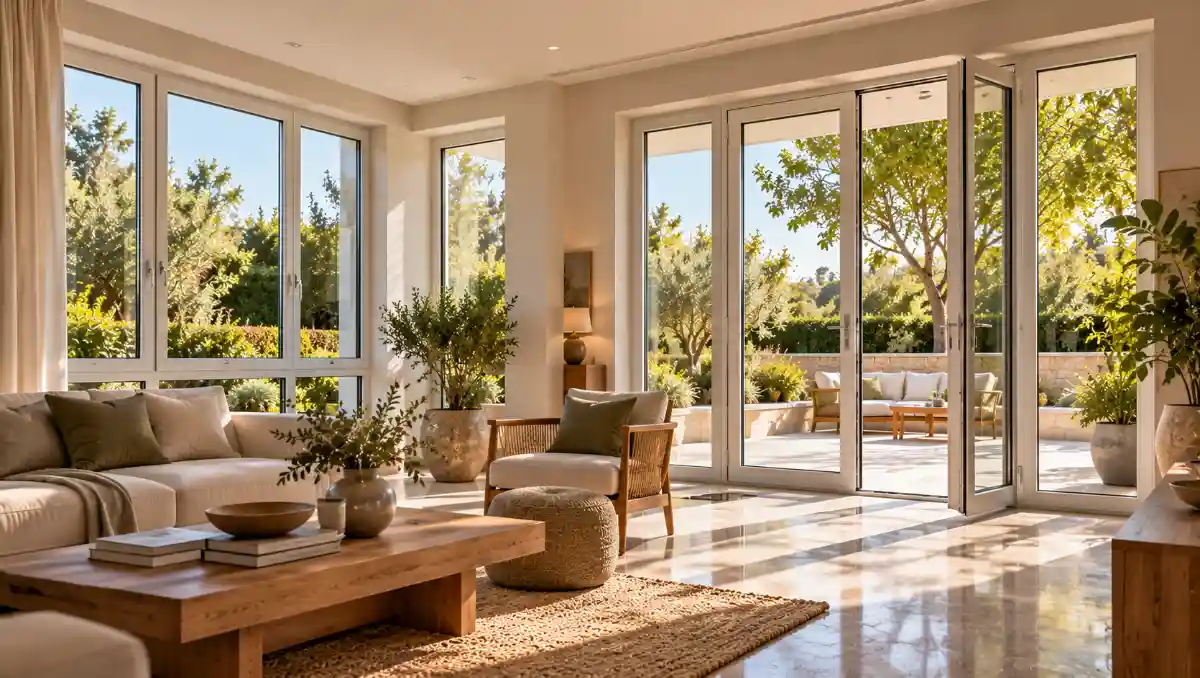
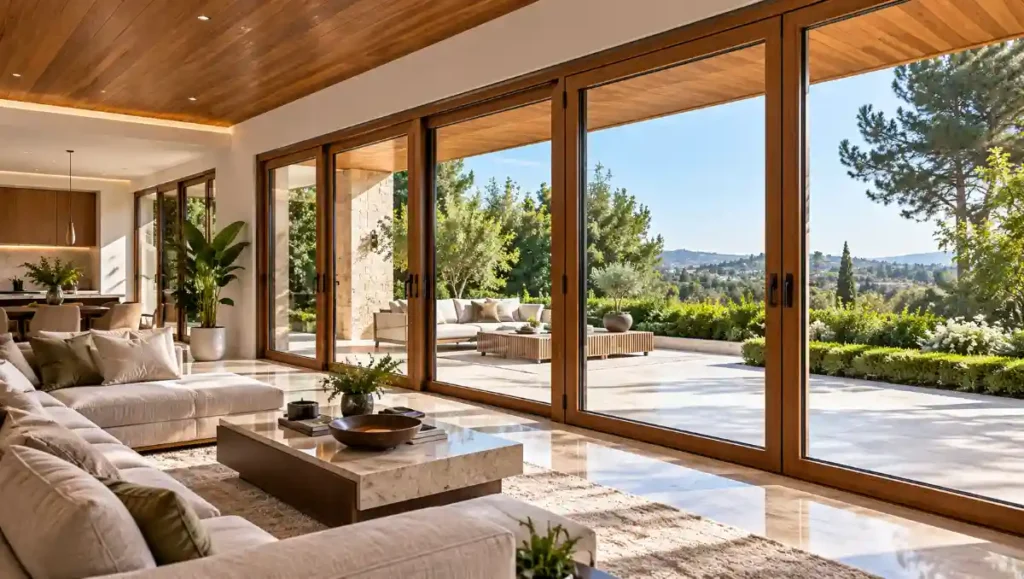
Large glazed door openings can strengthen the visual connection between contemporary interiors and outdoor living areas.
Contemporary Houses
Its simple profile styling and finish options can complement modern facades.
Renovations
Homeowners replacing older windows may consider uPVC systems when thermal comfort, maintenance and appearance are priorities.
Exact installation requirements will depend on the existing opening and local construction.
Urban Homes
Where external noise is a concern, an appropriately specified glazing and frame combination may help improve acoustic comfort.
Larger Door Openings
Door systems can help connect living spaces with terraces, balconies and other outdoor areas while maintaining the architectural language of surrounding windows.
Legend Art vs Standard uPVC Windows
The term “uPVC window” describes a very broad category.
Two uPVC windows can differ considerably in:
Profile depth
Internal chamber geometry
Reinforcement
Gasket configuration
Glass capacity
Hardware
Fabrication quality
Tested performance
Finish
Installation
That means comparing Legend Art simply with “uPVC windows” is not particularly useful.
A better comparison is between specific systems with verified specifications.
Request technical information for the exact products being considered and compare like with like.
What to Check Before Buying
Before specifying Legend Art—or any window and door system—ask the supplier or fabricator several questions.
Confirm the exact profile system being quoted.
Ask what glass specification will be installed.
Check the complete-window thermal performance if energy efficiency is important.
For noisy locations, request acoustic performance information for the proposed assembly.
Confirm hardware, reinforcement and security specifications.
Check warranty conditions and installation details.
And where applicable, make sure the finished windows and doors satisfy local building, safety, energy and emergency-egress requirements.
Don’t Choose Windows From the Frame Alone
The frame is only one part of a successful window.
A high-quality installation requires the frame, glass, gaskets, hardware and surrounding building envelope to work together.
For example, upgrading the frame while installing inappropriate glazing can limit thermal or acoustic performance.
Window performance depends on glazing, seals and correct integration with the surrounding building envelope—not the frame alone.
Likewise, even an excellent factory-built window can perform poorly if the perimeter installation allows significant uncontrolled air or water leakage.
This is why fenestration should be treated as a complete system rather than a decorative purchase.
Is Deceuninck Legend Art Worth Considering?
On paper, Legend Art presents a useful combination of characteristics for homeowners looking at modern uPVC doors and windows.
Its key features include the 70 mm five-chamber profile, multiple glazing-thickness options, thermal performance specifications, air and water classifications and a choice of aesthetic finishes.
Whether it is the right system for a particular project depends on more specific questions:
What climate is the house in?
How large are the openings?
What glazing will be used?
Is acoustic performance important?
What are the local energy requirements?
Who will fabricate and install the windows?
And how does the system compare with alternative products available locally?
Answer those questions before making the final decision.
Final Thoughts
Deceuninck Legend Art demonstrates how contemporary window and door design increasingly combines architectural appearance with building performance.
Its five-chamber 70 mm uPVC construction, flexible glazing capacity and range of finishes give designers and homeowners several options for integrating windows and doors into contemporary architecture.
But the most important lesson applies to any fenestration product:
Do not select windows from appearance or a single technical number alone.
Evaluate the frame, glazing, seals, hardware, tested performance and installation together.
When those elements are properly coordinated, windows and doors can contribute simultaneously to the facade, daylight, indoor comfort and long-term performance of a home.
Frequently Asked Questions
What is Deceuninck Legend Art?
Legend Art is a Deceuninck uPVC door and window system designed to combine contemporary styling with thermal and acoustic performance characteristics.
What is the profile width of Legend Art?
Deceuninck’s official Legend Art brochure specifies a 70 mm profile system.
How many chambers does Legend Art have?
The system uses a five-chamber profile design.
What glazing thickness does Legend Art support?
Deceuninck lists 6, 8, 10, 24, 30, 36, 44 and 58 mm glazing options in its Legend Art technical literature.
What is the Uf value of Legend Art?
Deceuninck specifies a frame Uf range of approximately 1.1–1.5 W/m²K for Legend Art. Remember that Uf describes the frame rather than the thermal performance of the complete installed window.
Is Legend Art suitable for modern homes?
Its simple styling, multiple finishes and window/door configurations can suit contemporary residential architecture. Suitability ultimately depends on the project’s dimensions, climate, glazing, performance requirements and local regulations.