Renovating a home is not only about making it look better. The right improvements can make a property more comfortable, functional, energy-efficient, and appealing to future buyers.
If you are planning a renovation and want to spend your budget wisely, focus on upgrades that improve everyday living while also increasing the home’s long-term appeal. From upgrading the kitchen and bathroom to improving lighting, storage, flooring, and outdoor spaces, several renovation ideas can make a noticeable difference.
Here are some of the most practical home renovation ideas that add value without turning the project into an unnecessarily expensive makeover.
1. Upgrade the Kitchen
The kitchen is one of the most important areas to consider when renovating a home. A dated or poorly planned kitchen can make an otherwise attractive property feel old.
You do not always need a complete kitchen remodel. Replacing worn-out cabinet fronts, upgrading hardware, improving lighting, installing a durable countertop, or adding better storage can create a significant visual and functional improvement.
Consider:
- Modern cabinet handles and hinges
- Durable countertops
- Improved kitchen lighting
- Additional storage
- Energy-efficient appliances
- A practical backsplash
- Better ventilation
- Easy-to-clean flooring
A well-designed kitchen should balance appearance with functionality rather than focusing only on expensive finishes.
2. Renovate the Bathroom
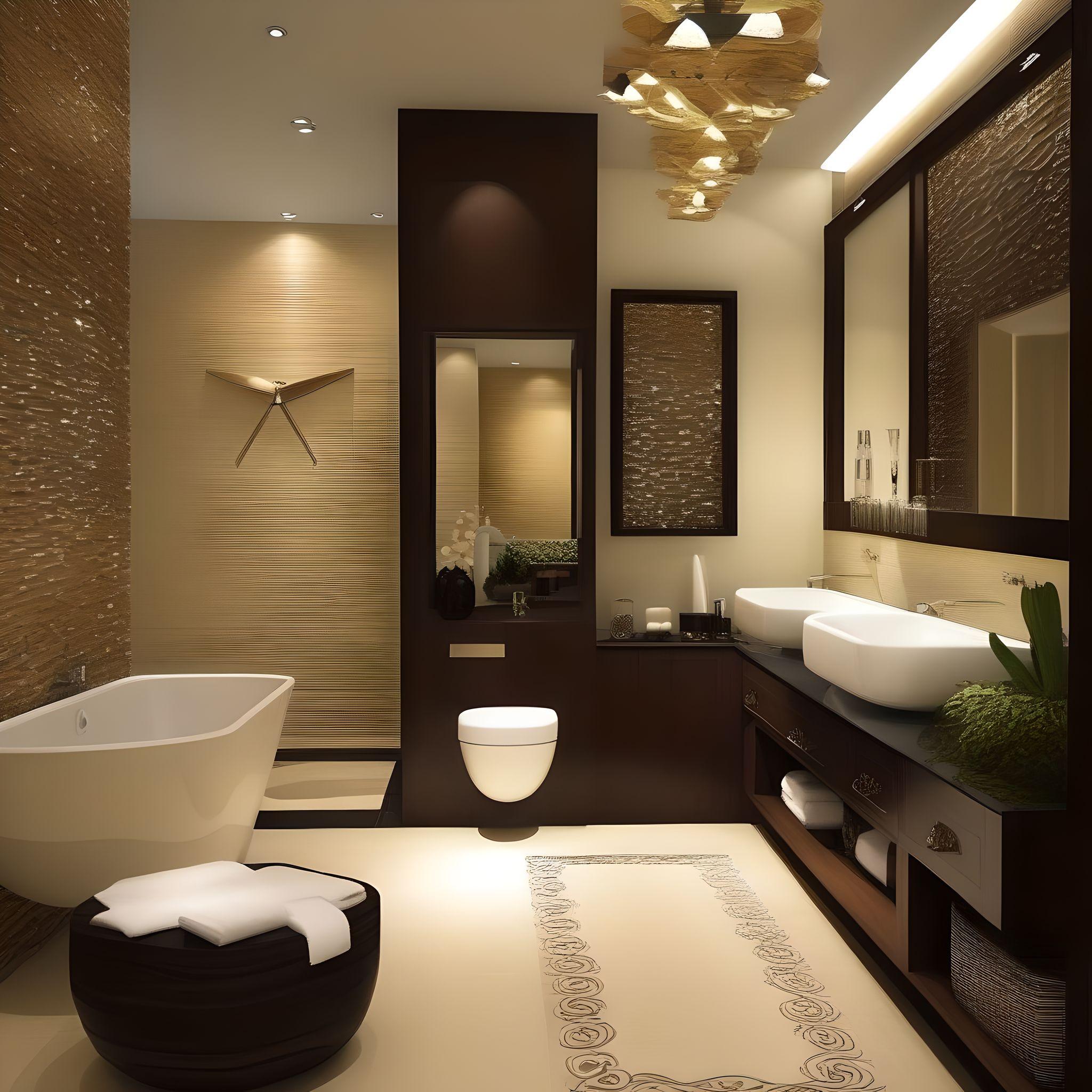
A clean, modern bathroom can make a home feel considerably more comfortable and well maintained.
For homeowners working with a limited budget, smaller bathroom improvements can be more practical than completely changing the layout.
Useful bathroom renovation ideas include:
- Replacing outdated fixtures
- Improving ventilation
- Installing modern lighting
- Updating wall or floor tiles
- Adding a larger mirror
- Improving storage
- Replacing damaged sealants and grout
- Installing water-efficient fixtures
Neutral and timeless finishes can be particularly useful if you want the renovation to remain appealing for several years.
3. Improve the Home’s Curb Appeal
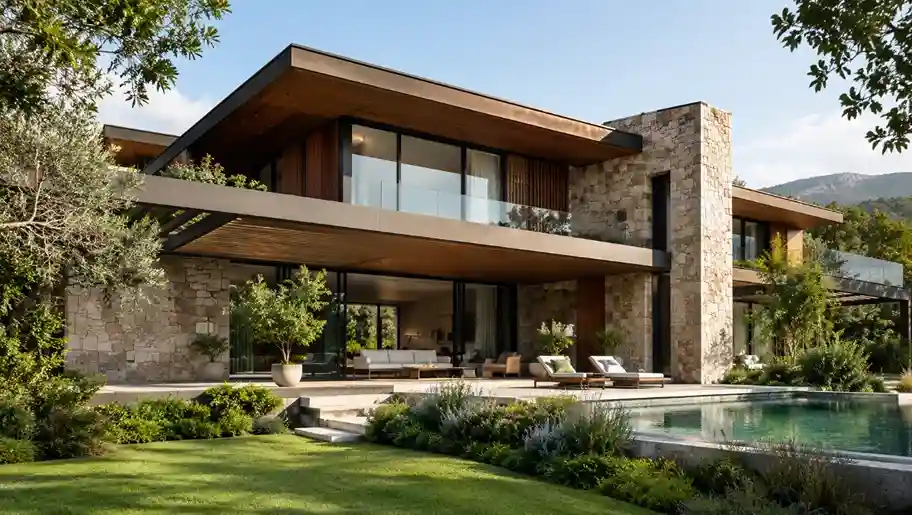
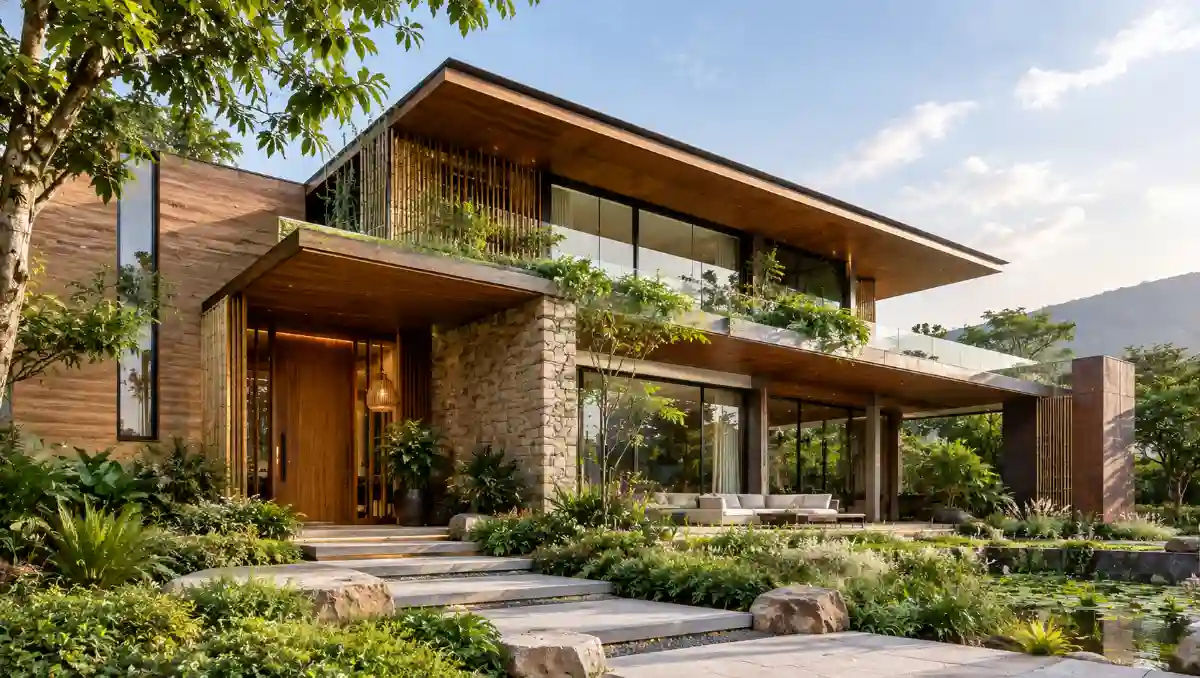
The exterior is the first part of a property that visitors and potential buyers see. Improving curb appeal can therefore have a strong effect on the overall impression of a home.
Simple improvements can include repainting the front door, updating exterior lighting, maintaining the garden, improving the pathway, or refreshing the façade.
You could consider:
- A freshly painted entrance door
- Modern outdoor lighting
- Well-maintained landscaping
- Clean pathways and driveways
- Updated house numbers
- New or repaired boundary elements
- Exterior wall maintenance
- Attractive plants and planters
The goal is not to make the exterior overly elaborate. A clean, coordinated entrance often creates a stronger impression than excessive decoration.
4. Upgrade Windows and Doors
Windows and doors influence a home’s appearance, comfort, ventilation, security, and energy performance.
If existing windows are old or damaged, upgrading them can improve both the appearance and functionality of the property.
Look for improvements such as:
- Better-insulated windows
- Modern window frames
- Improved weather sealing
- Durable exterior doors
- Better locks and hardware
- Larger openings where structurally practical
In warm climates, shading and solar control can also be important considerations when selecting glazing and window treatments.
5. Improve Lighting
Lighting is one of the easiest ways to transform the atmosphere of a home.
A renovation does not have to rely entirely on decorative lighting. A good lighting plan combines ambient, task, and accent lighting according to how each room is used.
For example:
Living room: layered ceiling, wall, and floor lighting.
Kitchen: bright task lighting over work surfaces.
Bedroom: softer ambient lighting and bedside fixtures.
Bathroom: well-positioned mirror and task lighting.
Outdoor areas: pathway, entrance, and landscape lighting.
Replacing outdated fixtures and improving the placement of lights can make rooms feel more spacious and welcoming.
6. Create Better Storage
Storage is often overlooked during renovation, but it can have a major impact on everyday functionality.
Built-in storage can help reduce clutter while making better use of available space.
Consider:
- Built-in wardrobes
- Under-stair storage
- Kitchen pantry units
- Bathroom cabinets
- Entryway storage
- Custom shelving
- Multi-purpose furniture
Good storage is especially valuable in smaller homes where every square metre needs to work efficiently.
7. Refresh the Flooring
Damaged, outdated, or inconsistent flooring can make a property feel neglected.
Replacing flooring throughout the entire home is not always necessary. Concentrate on high-traffic or visibly worn areas first.
Popular options include:
- Hardwood or engineered wood
- Quality tiles
- Stone flooring
- Durable laminate
- Luxury vinyl flooring
- Natural-look flooring materials
Choose materials based on the room’s purpose, maintenance requirements, climate, and overall design style.
8. Repaint the Interior
A fresh coat of paint is one of the simplest budget-friendly home improvements.
Light and neutral colours can create a clean backdrop and make rooms easier to furnish. However, that does not mean every room needs to be completely white.
You can introduce character through:
- Accent walls
- Warm neutral shades
- Natural earthy colours
- Contrasting interior doors
- Textured finishes
- Carefully selected feature colours
Before painting, repair cracks, damp-related damage, peeling surfaces, or other underlying problems.
9. Make the Home More Energy Efficient
Energy-efficient improvements can make a home more comfortable while potentially reducing ongoing energy consumption.
Depending on the property, renovation options may include:
- Energy-efficient lighting
- Better insulation
- Improved window sealing
- Efficient appliances
- Solar solutions where appropriate
- Better ventilation
- Smart thermostatic controls
- Shading devices
Energy efficiency is increasingly becoming an important consideration for homeowners, particularly when utility costs are a concern.
10. Improve the Outdoor Living Space
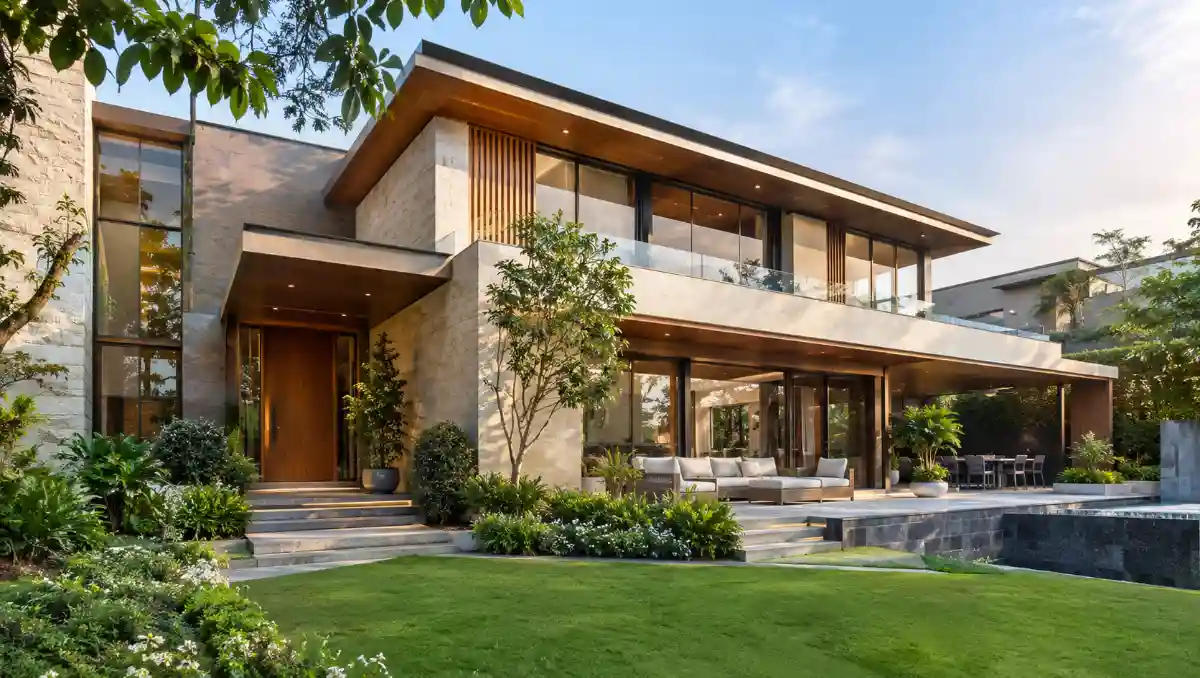
If your property has a balcony, terrace, courtyard, garden, or backyard, improving that space can add another usable area to the home.
You could create:
- A small outdoor seating area
- A landscaped garden
- A shaded terrace
- An outdoor dining area
- A balcony garden
- A simple entertainment zone
Comfortable seating, suitable lighting, greenery, and weather-resistant materials can turn an underused outdoor area into a useful extension of the home.
11. Modernize the Home’s Entrance
The entrance creates the first impression of the interior.
A simple renovation could include a new door, updated hardware, better lighting, a console or storage unit, a mirror, and a clean flooring transition.
For larger homes, an entrance feature wall, architectural lighting, timber detailing, stone finishes, or a well-designed foyer can create a stronger sense of arrival.
12. Add Smart Home Features
Technology can improve convenience and functionality without requiring a complete renovation.
Depending on your needs, you could consider:
- Smart lighting
- Video doorbells
- Smart locks
- Automated curtains or blinds
- Security cameras
- Smart switches
- Energy monitoring
- Home automation controls
The most useful smart-home upgrades are those that solve a genuine problem rather than adding technology simply for novelty.
13. Fix Maintenance Problems Before Cosmetic Upgrades
One of the most important renovation principles is to deal with underlying problems before spending money on appearance.
Before choosing new finishes, inspect the property for:
- Water leakage
- Dampness
- Plumbing problems
- Electrical issues
- Structural cracks
- Roof problems
- Poor drainage
- Damaged windows
- Termite or pest damage
A beautiful renovation will not add much practical value if serious maintenance problems remain underneath it.
14. Choose Timeless Design Over Short-Lived Trends
Following every interior design trend can make a renovation look dated quickly.
Instead, use durable materials and timeless layouts for major renovation work. Trends can still be introduced through accessories, artwork, lighting, furniture, or easily replaceable finishes.
This approach can make the home easier to update in the future without another major renovation.
Which Home Renovations Add the Most Value?
The answer depends on the property’s location, age, condition, target buyers, renovation quality, and local market.
In general, improvements that increase functionality, condition, comfort, energy efficiency, and visual appeal can be more useful than purely decorative changes.
A sensible renovation priority could be:
| Renovation | Main Benefit |
|---|---|
| Kitchen improvements | Functionality and modern appearance |
| Bathroom upgrades | Comfort and presentation |
| Windows and doors | Appearance, comfort and performance |
| Lighting | Ambience and usability |
| Storage | Better organization |
| Flooring | Appearance and durability |
| Exterior improvements | Curb appeal |
| Energy upgrades | Comfort and efficiency |
| Outdoor space | Additional usable area |
| Maintenance repairs | Protects the property’s condition |
How to Renovate a Home on a Budget
A limited renovation budget does not mean you have to compromise on every improvement.
Start by separating projects into three categories:
Must-do repairs
These include problems that could become more expensive if ignored, such as leaks, electrical faults, structural issues, or damaged roofing.
High-impact improvements
These are upgrades that noticeably improve how the home looks or functions, such as lighting, kitchen improvements, bathroom updates, or better storage.
Optional upgrades
Decorative features and luxury finishes can be completed later if the budget allows.
This approach helps prevent spending the entire renovation budget on cosmetic features while important repairs remain unfinished.
Common Home Renovation Mistakes to Avoid
Before starting a renovation, avoid these common mistakes:
Ignoring the total budget
The cost of materials is only one part of a renovation. Labour, design, transportation, demolition, permits where applicable, and unexpected repairs can also affect the final cost.
Choosing appearance over functionality
A beautiful kitchen that lacks storage or a stylish bathroom with poor ventilation may not be a successful renovation.
Changing too much at once
Major layout changes can significantly increase costs. Consider whether the existing floor plan can be improved without unnecessary structural work.
Choosing very trendy finishes
Trendy materials may look attractive today but can become dated faster than timeless alternatives.
Skipping professional advice when necessary
Structural changes, electrical work, plumbing modifications, and other specialized work should be planned with appropriate professionals.
Final Thoughts
The best home renovation ideas that add value are not necessarily the most expensive ones. A successful renovation improves the way a home looks, feels, and functions while addressing problems that could affect its long-term condition.
Start with essential repairs, then focus on high-impact improvements such as the kitchen, bathroom, lighting, storage, windows, flooring, energy efficiency, and outdoor areas. Choose durable materials and a design that can remain attractive beyond the latest trend.
Most importantly, plan the renovation around the actual needs of the home rather than renovating simply for appearance.
Frequently Asked Questions
What home renovations add the most value?
Kitchen and bathroom improvements, better windows and doors, improved lighting, functional storage, exterior improvements, energy-efficiency upgrades, and well-designed outdoor spaces can all improve a home’s overall appeal and functionality. The potential value of each project varies by property and local market.
Is renovating a kitchen worth it?
A kitchen renovation can improve both everyday usability and the overall presentation of a home. A complete remodel is not always necessary; updating cabinets, hardware, lighting, storage, countertops, or appliances can also make a noticeable difference.
What are the best low-cost home improvements?
Painting, improving lighting, replacing outdated hardware, adding storage, refreshing landscaping, updating fixtures, and repairing visible maintenance problems can provide significant improvements without requiring a major renovation.
Does a bathroom renovation increase home value?
A well-maintained and modern bathroom can improve a property’s appeal. The impact depends on the quality of the renovation, the existing condition of the bathroom, and the expectations of buyers in the local market.
Should I renovate before selling my house?
Not every home needs a major renovation before sale. It can be more practical to repair visible problems and make targeted improvements that improve presentation and functionality rather than undertaking an expensive remodel.
How can I increase my home’s value without a major renovation?
Focus on maintenance, paint, lighting, landscaping, storage, kitchen and bathroom updates, exterior appearance, and energy-efficiency improvements. Small upgrades can make a home feel cleaner, more modern, and better maintained.
What should I renovate first?
Start with structural and maintenance problems, followed by improvements that have the greatest impact on functionality and appearance. This prevents cosmetic upgrades from covering up more important issues.
Are modern design trends good for home renovations?
Some trends can work well, but permanent features are generally better when they use durable and timeless designs. Trend-focused elements can be introduced through furniture, accessories, paint, and other easily changed features.